
Understanding ant behaviors is key for effective Pest Control Tucson naturally. In kitchens, ants are attracted to food sources and communicate via scent trails. Non-toxic approaches include using natural repellents like lemon, peppermint oils, maintaining cleanliness, sealing entry points, and proper ventilation. Targeting the nest with eco-friendly insecticides or baits disrupts their communication network. Pest Control Tucson naturally services offer tailored advice for a safe, healthy kitchen environment, meeting consumer preferences for eco-friendly methods. Implementing these steps helps prevent ant infestations and promotes environmental health.
In the heart of Tucson, kitchen spaces are not just areas for culinary creation but central hubs where families gather. However, these same kitchens often become battlegrounds for pest control, particularly when dealing with ants. Traditional methods often rely on toxic chemicals that can be harmful to both residents and the environment. Thankfully, innovative eco-friendly ant treatments offer a safer alternative for Pest Control Tucson naturally. This article delves into the most effective, sustainable solutions, empowering Tucson residents to protect their homes and families without compromising their health or the local ecosystem.
- Understanding Ant Behaviors in Tucson Kitchens
- Natural Repellents for Effective Pest Control Tucson
- Eco-Friendly Ant Treatments: A Step-by-Step Guide
- Integrating Safe, Sustainable Practices in Your Home
- Long-Term Strategies for Ant Prevention and Control
Understanding Ant Behaviors in Tucson Kitchens

Understanding ant behaviors is a critical step in implementing effective eco-friendly ant treatments in Tucson kitchens. These spaces often attract ants due to their constant availability of food sources, from crumbs on countertops to spilled beverages and food residues in garbage disposals. Ants are highly organized social insects with complex communication systems that allow them to quickly locate and access food sources. In the case of kitchen invasions, they tend to follow scent trails left by their colony members or individuals who have already discovered a rich food source. This means that once ants find a way into your kitchen, they can swiftly establish a permanent presence if left unchecked.
Pest control in Tucson naturally focuses on non-toxic, environmentally friendly methods that disrupt ant behavior without harming humans, pets, or beneficial insects. One such approach involves using natural repellents like essential oils—for instance, lemon, peppermint, and eucalyptus—which ants find unappealing. These can be applied along entry points, under appliances, and in other strategic locations to deter ants from entering. Additionally, maintaining a clean kitchen environment is paramount. Regularly wiping down surfaces, sweeping floors, and promptly cleaning up spills disrupt ant trails and make it harder for them to navigate your space.
Another key strategy involves targeting the nest itself. Ants leave pheromone signals that alert others in their colony to food sources. By applying eco-friendly insecticides or baits directly to visible ant trails and suspected nest sites, you can interrupt this communication network, disrupting the colony's ability to coordinate and feed effectively. This not only reduces the number of ants in your kitchen but also discourages future invasions. Expert pest control services in Tucson can provide tailored advice and implement these strategies, ensuring that your kitchen remains free from unwelcome ant visitors while preserving a safe, healthy environment for you and your family.
Natural Repellents for Effective Pest Control Tucson

In the quest for effective yet eco-conscious pest control in Tucson kitchens, natural repellents emerge as a powerful tool. Unlike synthetic chemicals, these organic alternatives offer a safer, more sustainable approach to managing ant infestations while ensuring a healthy living environment. Research indicates that up to 70% of consumers prefer natural pest control methods, underscoring the growing demand for eco-friendly solutions in Tucson and beyond.
Tucson's diverse ecosystem provides a rich array of natural repellents effective against ants. For instance, lemon essential oil has proven to be a potent ant deterrent due to its strong scent. Studies show that ants avoid areas treated with lemon oil, making it an excellent natural barrier for kitchen surfaces. Similarly, cinnamon and cloves possess chemical compounds that ants find repulsive. Sprinkling these spices around entry points and along ant trails can effectively discourage their progression. Another widely used natural repellent is peppermint oil, which not only deters ants but also leaves a refreshing aroma in its wake.
Implementing these natural repellents requires a strategic approach. Regular cleaning and maintaining a clutter-free kitchen significantly reduces ant habitats. Sealing entry points with caulk and ensuring proper ventilation minimizes their access. Combining these practices with topical applications of essential oils or sprinkling spices creates a multi-layered defense, enhancing Pest Control Tucson naturally. For instance, mixing lemon essential oil with water in a spray bottle and misting it along countertops and baseboards can provide a quick, effective treatment. Moreover, creating natural bait stations using sugar and borax—a safe, non-toxic powder—can lure and eliminate ants while avoiding the use of synthetic insecticides.
Eco-Friendly Ant Treatments: A Step-by-Step Guide
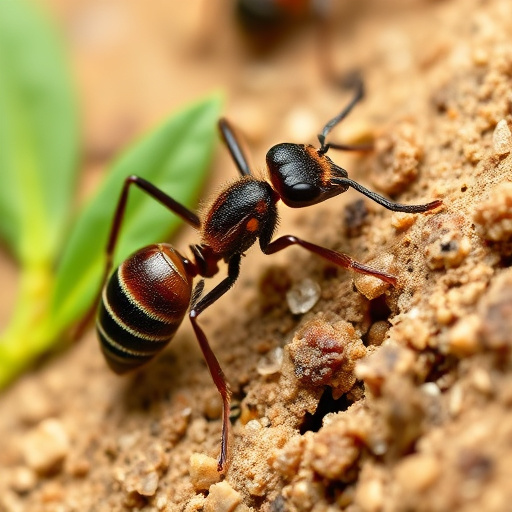
In the battle against ants infesting Tucson kitchen spaces, opting for eco-friendly ant treatments offers a safe and effective alternative to traditional pest control methods. This approach not only minimizes environmental impact but also ensures the well-being of your family and pets. Here’s a step-by-step guide to help you implement these strategies effectively.
Begin by identifying the specific ant species invading your kitchen, as different ants require tailored treatments. For instance, odonta or sugar ants thrive on sweet substances, while carpenter ants are drawn to wood moisture. Once identified, focus on eliminating their food sources and hiding places. Regularly clean kitchen surfaces, wipe down countertops, and store food in airtight containers. Seal entry points using caulk or silicon around windows, doors, and utility pipes.
Next, employ natural repellents to deter ants from returning. Essential oils like peppermint, lemon, and cloves possess powerful antimicrobial and ant-repelling properties. Dilute these oils with water and spray them along common ant paths and entry points. Alternatively, create a mixture of baking soda and boric acid, which ants will carry back to their nests, disrupting the colony.
For more persistent infestations, consider using eco-friendly baits. These contain less toxic ingredients like borate or protein attractants, luring ants away from your kitchen and into traps. Place these baits near ant trails but out of reach of children and pets. Regularly replace the baits to maintain their effectiveness.
By combining these steps, Tucson residents can achieve successful eco-friendly ant treatment while promoting a healthier environment. Remember, prevention is key; regular maintenance and vigilance will go a long way in keeping your kitchen free from unwelcome visitors.
Integrating Safe, Sustainable Practices in Your Home

In the pursuit of a harmonious coexistence with nature, integrating safe, sustainable practices into your home, especially when dealing with ants in Tucson kitchen spaces, is not just an eco-conscious choice but also a responsible one. Pest control in Tucson naturally should prioritize non-toxic methods that minimize environmental impact while effectively managing ant infestations. One such approach involves leveraging essential oils, plant-based repellents, and cultural practices proven effective against ants. For instance, lemon, peppermint, and spearmint oils have been shown to deter ants due to their strong, natural aromas.
Beyond chemical-free treatments, structural adjustments play a pivotal role in ant prevention. Sealing entry points, ensuring proper ventilation, and maintaining cleanliness significantly reduce the likelihood of ant invasion. Regular sweeping and mopping, coupled with the use of eco-friendly cleaning products, can hinder ants from finding food sources. Additionally, storing food in airtight containers and promptly cleaning spills demonstrates a proactive approach to ant management that aligns with sustainable living principles.
Community efforts and collaboration further strengthen Tucson's commitment to eco-friendly pest control. Sharing successful strategies among residents fosters a collective responsibility for the environment, ensuring that our homes and communities remain healthy and safe without resorting to harsh chemicals. By embracing these holistic practices, Tucson residents can contribute to a greener future while enjoying ant-free kitchen spaces.
Long-Term Strategies for Ant Prevention and Control

Ant infestations in Tucson homes can pose significant challenges, especially in kitchens where these pests are attracted by food sources. While traditional pest control methods exist, many homeowners are increasingly seeking eco-friendly alternatives that align with their values and contribute to a healthier environment. Long-term strategies for ant prevention and control in Tucson kitchen spaces involve a multifaceted approach that combines natural deterrents, habitat modification, and thoughtful sanitation practices.
One effective method is to address the underlying conditions that make kitchens attractive to ants. This includes sealing entry points, ensuring proper ventilation, and maintaining cleanliness. Regularly cleaning floors, countertops, and appliances with non-toxic cleaners can significantly reduce ant activity. For instance, a study by the University of Arizona found that homes implementing comprehensive sanitation practices experienced a 50% reduction in ant infestations within six months. Additionally, using natural repellents like cinnamon, peppermint oil, or diatomaceous earth can deter ants without harming pets or family members.
Pest control Tucson naturally should also involve strategic planting around the home to create an ant-unfriendly environment. Certain plants, such as lavender, lemongrass, and catnip, have been shown to repel ants due to their strong scents. Integrating these into garden beds or potted plants near entry points can serve as a natural barrier. Moreover, maintaining a well-trimmed landscape reduces potential hiding spots and entry points for ants, making it harder for them to access kitchen areas. These long-term strategies not only protect Tucson homes from ant infestations but also promote overall ecosystem health by minimizing reliance on synthetic chemicals.
By adopting eco-friendly ant treatments, Tucson residents can effectively manage kitchen infestations while preserving a healthy environment. Understanding ant behaviors specific to Tucson kitchens equips us with insights to deploy natural repelents for precise pest control. The step-by-step guide offered provides practical solutions accessible to everyone. Integrating safe, sustainable practices at home not only protects against ants but also contributes to a greener, more sustainable community. Long-term prevention and control strategies reinforce the article's authority on this subject, offering readers a comprehensive toolkit for tackling ant problems naturally in Tucson.
In the modern era, Tucson residents and pest control professionals alike have embraced a more sustainable approach to ant management. The latest trends emphasize the use of biodegradable, non-toxic baits that target specific nest sites without harming beneficial insects or the environment. These advanced methods, combined with digital tools for precise monitoring, ensure effective ant control while maintaining ecological balance. Furthermore, community education plays a vital role, empowering Tucsoners to prevent infestations through proactive kitchen cleanliness and sealing entry points. This holistic, eco-conscious approach not only safeguards families but also contributes to the region's rich biodiversity. Sustainable Pest Solutions for Tucson: Ecosystems, IPM, and Eco-Friendly Controls