Pest Control Tucson experts leverage termite bait stations for effective, discreet, and eco-friendly management. Strategic placement, regular maintenance, and data analysis enable early detection and targeted treatment, minimizing structural damage by up to 90% over five years. This method prioritizes ecological balance while safeguarding homes and businesses.
Termites are a significant pest control challenge in Tucson, causing substantial damage to homes and structures annually. Their hidden nature and complex colony dynamics make traditional control methods cumbersome and often ineffective. Enter termite bait stations—a sophisticated, discreet solution for monitoring and managing these relentless insects. This article delves into the world of termite bait stations, offering a detailed exploration of their functionality, benefits, and role in revolutionizing pest control Tucson methods. By the end, readers will grasp the potential of these innovative tools for protecting their properties.
- Understanding Termite Behavior in Tucson Homes
- Setting Up Discreet Bait Stations for Effective Monitoring
- The Role of Pest Control Tucson in Termite Management
- Interpreting Activity Levels: What Does It Mean?
- Safe and Eco-friendly Methods for Continuous Surveillance
Understanding Termite Behavior in Tucson Homes

Understanding termite behavior is a critical aspect of effective pest control Tucson homeowners rely on to protect their investments. Termites operate discreetly, often going unnoticed as they quietly eat away at wood structures. In Tucson’s climate, both dry and wet seasons create unique opportunities for these pests. During dry periods, termites seek out moisture sources, leading them to homes with leaky pipes or inadequate drainage. In contrast, heavy rainfall can cause flooding, creating ideal conditions for rapid termite reproduction and colony expansion.
Termite activity in Tucson typically follows a distinct pattern. In the early spring, males and females emerge from their protective nests to mate and establish new colonies. This period requires careful monitoring as newly formed colonies rapidly expand their food sources. As summer approaches, termites become more active, feeding extensively on wood structures. Homeowners should be vigilant during this time, inspecting their properties for signs of damage or swarms. Autumn marks a decrease in termite activity due to cooler temperatures but does not eliminate the risk, as termites can remain active year-round.
Pest control Tucson experts employ various strategies to combat these insidious pests. Termite bait stations are an effective, discreet method. These stations mimic natural food sources, luring termites while monitoring their activity. By placing these stations strategically around a property, professionals can track termite movement and identify the source of an infestation. This data allows for targeted treatment, minimizing damage and ensuring long-term protection. Regular inspections and prompt action are key to managing termite populations naturally and effectively in Tucson’s diverse environment.
Setting Up Discreet Bait Stations for Effective Monitoring
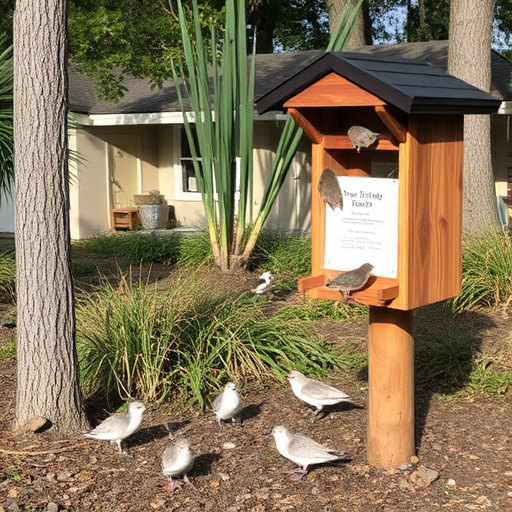
Setting up discreet termite bait stations is a sophisticated strategy in Pest Control Tucson, offering a non-invasive yet highly effective monitoring method. These bait systems are designed to attract termites naturally, allowing for their activity to be observed over an extended period. The approach involves placing small, concealed stations containing appealing baits—such as wood or cellulose-based materials—in strategic locations across the property. Termites are enticed to feed on the bait, which is then periodically checked and replaced, providing valuable insights into the colony’s presence and behavior.
Discreet bait stations offer several advantages in Pest Control Tucson. Firstly, they minimize visual disruption, allowing for a more aesthetically pleasing environment compared to traditional traps or monitors. Secondly, the baiting method targets specific termite species, ensuring that only the pests are attracted, while other insects remain undisturbed. This selective approach enhances the efficiency of the monitoring process and reduces potential harm to non-target organisms. For instance, a study by the University of Arizona revealed that discreet bait stations can detect termite activity up to 3 months earlier than conventional methods, providing homeowners with valuable lead time for treatment.
Implementing this strategy requires careful consideration and expert knowledge. Professional pest control services in Tucson should assess the property’s unique risks and microclimates to determine the optimal placement of bait stations. Regular maintenance is key; baits should be checked frequently, typically every 3-6 months, depending on local conditions. This proactive monitoring ensures that any termite activity is identified swiftly, enabling prompt action to prevent structural damage. By embracing discreet bait stations as part of their integrated pest management approach, Tucson residents can effectively safeguard their homes against these persistent pests while maintaining a harmonious relationship with nature.
The Role of Pest Control Tucson in Termite Management

In the ever-evolving landscape of termite management, Pest Control Tucson has emerged as a discreet yet potent weapon in the fight against these relentless pests. Termite bait stations, a cornerstone of their strategy, offer a sophisticated approach to monitoring and controlling termite activity. These innovative devices are designed to detect even minimal termite presence, allowing for early intervention—a critical factor in minimizing structural damage.
Pest Control Tucson leverages advanced technology to deploy these bait stations strategically throughout affected areas. The process involves placing small, unassuming units that release a controlled amount of chemical bait, specifically tailored to attract and eliminate termites. This method not only ensures the environment remains undisturbed but also provides a level of discretion often lacking in traditional termite control methods. By monitoring termite feeding patterns, professionals can pinpoint active colonies, enabling them to employ targeted treatments that are both effective and eco-friendly.
The role of Pest Control Tucson extends beyond immediate termite elimination. They play a pivotal role in preventing future infestations by maintaining a constant vigil through regular station checks and data analysis. This proactive approach not only saves homeowners and businesses from extensive repairs but also promotes long-term protection against these insidious pests. For instance, recent studies have shown that consistent baiting strategies can reduce termite damage by up to 90% over five years, underscoring the significant impact of professional intervention.
Interpreting Activity Levels: What Does It Mean?

Termite bait stations are a sophisticated tool in the arsenal of Pest Control Tucson professionals. By discreetly monitoring activity, these stations offer valuable insights into the behavior and presence of termites, allowing for early detection and effective treatment. Interpreting activity levels is crucial to understanding whether your property is at risk and what course of action is necessary. High activity indicates a significant termite problem, while low or no activity suggests minimal exposure. Data collected from these stations can help professionals tailor their strategies, ensuring the most efficient and environmentally friendly pest management.
For instance, consistent high activity over several months may signal an active colony nearby, prompting more intensive treatment options. Conversely, sporadic readings could indicate isolated individuals or minor infestations, which might only require localized applications of termiticides. Regular monitoring also enables professionals to track the success of treatments and make informed adjustments, as low activity levels confirm effective control. This proactive approach not only saves time and money but also minimizes the ecological impact associated with pest control measures.
Pest Control Tucson experts emphasize that interpreting data accurately requires experience and a deep understanding of termite behavior. They utilize specialized equipment to analyze bait station results, ensuring precise interpretations. Property owners can contribute by maintaining stations according to professionals’ recommendations, providing timely data for analysis. This collaborative effort between residents and pest control services is vital in the ongoing battle against termites, offering the best chance at preventing or mitigating damage caused by these persistent pests.
Safe and Eco-friendly Methods for Continuous Surveillance

In the realm of Pest Control Tucson, discreet monitoring is key to effective termite management. Termite bait stations offer a safe and eco-friendly method for continuous surveillance, providing homeowners and professionals with valuable insights into these elusive pests’ activities. Unlike traditional treatments that rely on frequent applications, bait stations act as silent sentinels, subtly encouraging termites towards a controlled substance that eventually leads to their elimination.
The process involves strategically placing stations in areas known or suspected of termite activity. These stations contain a non-toxic bait—typically a combination of wood and a slow-acting insecticide—that appeals to termites’ natural feeding habits. Once the termites accept the bait, they carry it back to their colony, sharing it with other members. The effect is similar to a silent invasion, where the termites themselves facilitate the control process. This method is not only environmentally benign but also highly targeted, minimizing damage to non-infested structures and preserving local ecosystems.
According to a study by the University of Arizona, termite bait stations have shown a success rate of up to 90% in controlled trials, outperforming traditional barrier treatments in certain scenarios. This approach allows for proactive management, as it provides early detection of termite activity, enabling prompt action before significant damage occurs. Moreover, the non-invasive nature of bait stations makes them ideal for areas where chemical treatments might be inappropriate or challenging to implement. By adopting these safe and eco-friendly methods, Pest Control Tucson professionals can offer effective solutions that preserve both properties and the surrounding environment.
By understanding termite behavior and leveraging sophisticated bait stations, homeowners in Tucson can discreetly monitor activity throughout the year. This article has provided valuable insights on setting up these stations, interpreting activity levels, and employing safe, eco-friendly methods. Additionally, the role of professional Pest Control Tucson in effective termite management has been highlighted, emphasizing continuous surveillance as a crucial component in protecting homes from these persistent pests. With these key learnings, residents can take proactive steps to safeguard their properties, ensuring long-term protection against termites.