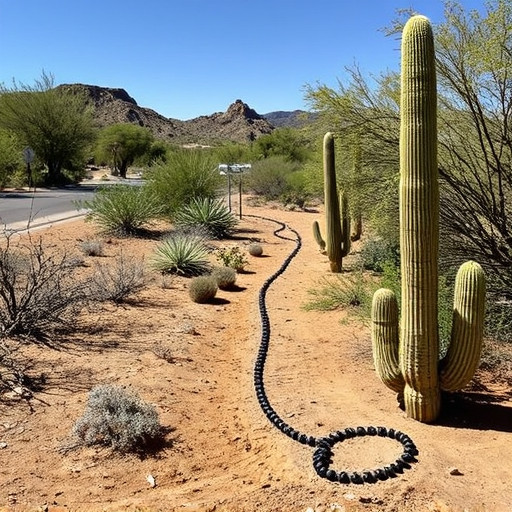
Pest Control Tucson services are tailored to the region's unique challenges, considering climate, vegetation, and prevalent pests. Local experts conduct thorough inspections and assessments to identify weak points in properties, develop targeted treatment plans, and use advanced methods like dog sniffing, thermal imaging, and digital sensors. Regular follow-up inspections ensure long-term prevention and adjustments as needed, addressing specific pest pressures while minimizing harm to ecosystems.
Pest Control Tucson: Mastering Comprehensive Inspections and Assessments
Are you looking for effective pest control solutions? Understanding Pest Control Tucson's local approach starts with thorough inspections and assessments. Uncovering pest activity involves meticulous comprehensive inspections, while identifying vulnerable areas requires assessing risk factors. Utilizing advanced assessment methods and tools equips professionals to implement successful pest management strategies. Discover how these steps transform your environment into a pest-free haven.
- Understanding Pest Control Tucson: The Local Approach
- Comprehensive Inspections: Uncovering Pest Activity
- Assessing Risk Factors: Identifying Vulnerable Areas
- Effective Assessment Methods: Tools and Techniques
- Implementing Assessments: Strategies for Successful Pest Management
Understanding Pest Control Tucson: The Local Approach

Pest Control Tucson: Tailored Local Solutions
When it comes to Pest Control Tucson, understanding the unique challenges and diverse ecosystems within the local area is key. Professional services in Tucson go beyond a one-size-fits-all approach. They employ expert inspectors who meticulously assess each property, taking into account factors like climate, surrounding vegetation, and specific pests prevalent in the region. This localized focus ensures that treatments are both effective and environmentally responsible. By understanding the "local" landscape, Pest Control Tucson providers can implement targeted strategies, addressing specific pest pressures while minimizing the impact on non-target organisms and the overall ecosystem.
Comprehensive Inspections: Uncovering Pest Activity
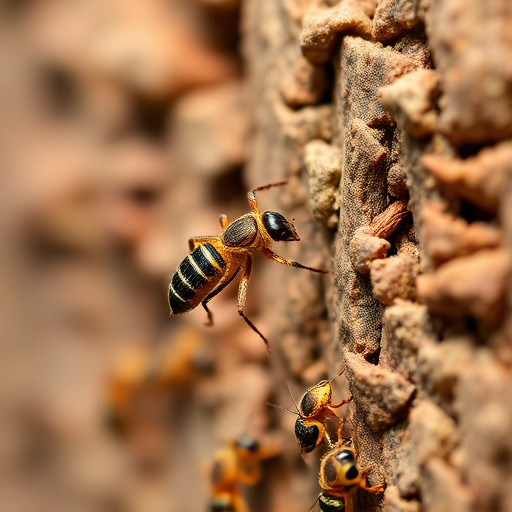
Comprehensive inspections are a cornerstone of effective pest control in Tucson. These thorough assessments involve meticulously examining every nook and cranny of your property to uncover any signs of pest activity. Professional inspectors use advanced techniques and tools to detect even the most subtle indications of infestations, ensuring no hidden threats go unnoticed. By identifying where pests are lurking, these inspections provide critical data for developing tailored control strategies that address specific species and their habitats. This proactive approach prevents small issues from escalating into major problems, saving you time, money, and potential health risks associated with pest invasions.
Assessing Risk Factors: Identifying Vulnerable Areas

When conducting pest control in Tucson, assessing risk factors is a critical first step. This involves meticulously identifying vulnerable areas within structures or landscapes where pests might thrive. By examining factors like environmental conditions, structural weaknesses, and historical pest presence, professionals can pinpoint specific points of entry and potential breeding grounds.
For instance, moisture accumulation, cracks in walls or foundations, and clutter or debris buildup create ideal habitats for various pests. Understanding these vulnerabilities enables tailored treatment plans that address the root causes, ensuring more effective and lasting pest control.
Effective Assessment Methods: Tools and Techniques
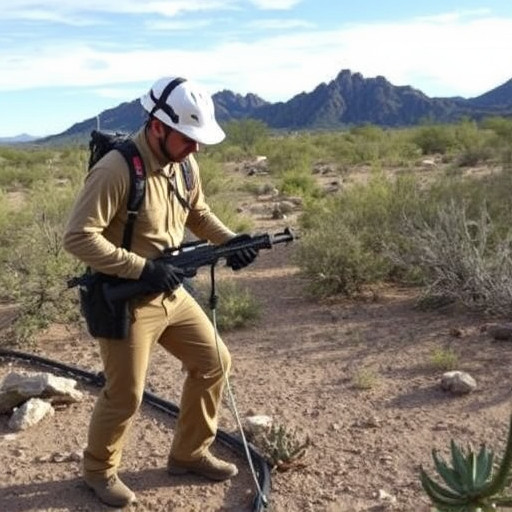
Effective Assessment Methods for Pest Control Tucson involve a combination of tools and techniques designed to pinpoint pest activity accurately. This includes detailed visual inspections where trained professionals meticulously examine every corner and crevice of the property, looking for signs of pests like eggs, larvae, or adult insects. They also employ sniffing dogs, which have an unparalleled sense of smell, allowing them to detect minute traces of pest odors that may be invisible to the naked eye.
Technological advancements further enhance these assessments. Thermal imaging cameras can reveal temperature variations indicative of pest activity, while digital sensors can monitor changes in environmental conditions that attract pests. Combining these methods ensures a thorough and comprehensive inspection, providing a clear picture of the extent of any pest infestation and enabling targeted, effective pest control strategies for Tucson residents.
Implementing Assessments: Strategies for Successful Pest Management

Implementing assessments is a strategic step in achieving effective pest control in Tucson. Before launching any treatment plan, conduct thorough inspections to identify the type and extent of the infestation. This involves examining various aspects like the type of pests present, their habitat, and the damage they've caused. For instance, in residential areas, focus on common entry points, such as cracks in walls or windows, while commercial properties should consider food storage areas and trash management systems.
Once identified, these insights enable tailored strategies. Professional pest control services in Tucson can then develop a customized plan, using the right tools and treatments to address the specific issues found during the assessment. Regular follow-up inspections are also crucial to monitor progress, ensure long-term prevention, and make adjustments as needed.
Comprehensive inspections and assessments are the backbone of effective pest control, especially in Tucson. By understanding local pest activity, identifying risk factors, and employing robust assessment methods, you can implement successful strategies for managing pests. Remember that a thorough approach ensures your home or property remains pest-free, protecting your investment and maintaining a healthy environment.
In 2026, Pest Control Tucson continues to innovate with advanced technologies while maintaining a strong commitment to eco-friendly practices. Drones equipped with high-resolution cameras and thermal imaging now enhance inspections, covering hard-to-reach areas swiftly and accurately. Additionally, the use of natural repellents and targeted biological control agents has increased, reducing reliance on chemical pesticides. Integrated Pest Management (IPM) strategies are at the forefront, focusing on prevention, early detection, and minimal environmental impact. Regular customer education on pest behavior and maintenance tips further strengthens Tucson's overall pest-management approach. Tucson Pest Warranties: Retreatment Assurance for Peace of Mind