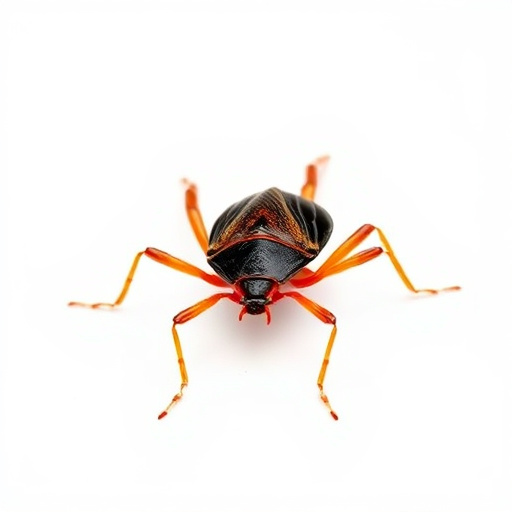
Kissing bugs carried by Triatoma brauli and Panforti's bug pose a significant health risk in Tucson due to their link to Chagas disease. Pest Control Tucson experts recommend proactive measures like regular inspections, sealing entry points, and year-round precautions to mitigate risks effectively. Education empowers residents to recognize symptoms and take prompt action, contributing to a healthier community.
Chagas disease, a potentially life-threatening illness transmitted by the kissing bug, poses a significant health risk in certain regions. Originating in Latin America, this vector-borne disease has now spread globally, with concerns growing in areas like Tucson, Arizona. Given the pest control challenges presented by these invasive insects, proactive measures are essential to protect communities and mitigate health hazards. This article delves into the critical role of kissing bug inspections as a robust defense against Chagas disease, highlighting effective strategies available through specialized Pest Control Tucson services. By exploring these methods, we aim to equip readers with knowledge to safeguard their health and well-being.
- Understanding Kissing Bugs: Distribution & Risks in Tucson
- Effective Pest Control Tucson: Inspection & Prevention Strategies for Chagas Disease
Understanding Kissing Bugs: Distribution & Risks in Tucson
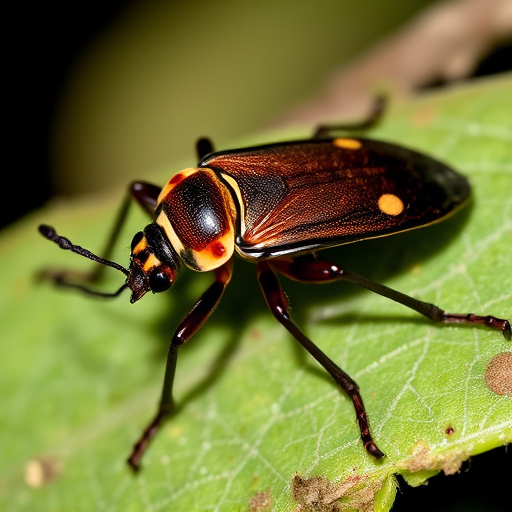
Kissing bugs, scientifically known as triatomine bugs, are a significant vector for the parasite Trypanosoma cruzi, which causes Chagas disease. In Tucson, these pests are prevalent in certain areas, posing a potential risk to residents. Understanding their distribution and behavior is crucial for preventing Chagas disease transmission. According to local Pest Control Tucson experts, the most common triatomine species in the region include Triatoma brauli and Panforti's bug. These bugs typically inhabit areas with abundant vegetation, cracks in walls, and spaces behind paneling, making them hard to detect until they've established a significant population.
Tucson's unique climate offers ideal conditions for kissing bugs to thrive. Warmer temperatures and consistent moisture levels encourage their proliferation, especially during the late spring and summer months. Research indicates that up to 30% of Tucson homes may be infested, with higher concentrations in older neighborhoods and areas with significant vegetation cover. This poses a particular risk to low-income communities where housing conditions may not meet modern pest control standards. Regular inspections are therefore essential for early detection and prevention.
Pest Control Tucson professionals recommend that homeowners take proactive measures to mitigate risks. This includes sealing entry points, maintaining a clean yard, and using professional services for regular inspections and treatments. By addressing kissing bug infestations promptly, residents can significantly reduce the chances of Chagas disease transmission, ensuring a safer living environment for all.
Effective Pest Control Tucson: Inspection & Prevention Strategies for Chagas Disease
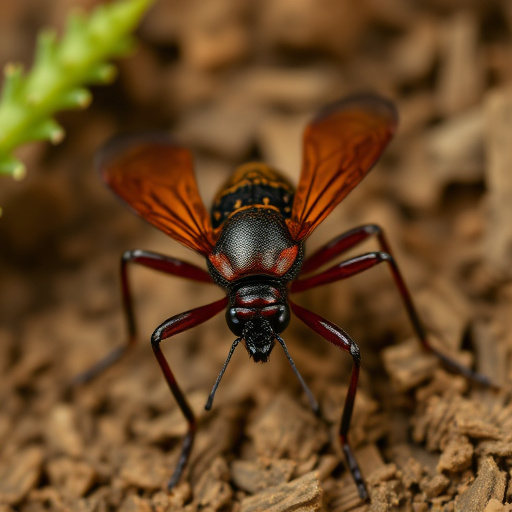
Chagas disease, a potentially life-threatening illness transmitted by a specific type of bug known as the kissing bug, is a growing concern in many regions, including Tucson, Arizona. Effective Pest Control Tucson plays a pivotal role in mitigating this public health risk through rigorous inspections and preventative strategies. The Kissing Bug, scientifically termed Triatoma cruzi, is responsible for carrying the parasite that causes Chagas disease when its bite breaks the skin barrier.
Regular and comprehensive bug inspections are the cornerstone of any robust Pest Control Tucson program. Trained professionals employ advanced techniques to identify and eliminate these problematic insects, focusing on areas where they tend to breed and rest, such as cracks in walls, behind furniture, and beneath bedding. Early detection is crucial, as it allows for targeted treatment and prevention strategies before the disease can take hold. For instance, a study conducted by the University of Arizona found that proactive inspections in residential areas significantly reduced the local prevalence of infected kissing bugs, offering a compelling case for the importance of regular Pest Control Tucson services.
Pest control experts also recommend year-round preventative measures to protect against Chagas disease. This includes sealing entry points and cracks to prevent bug access, using insecticidal treatments in high-risk zones, and maintaining excellent hygiene practices, particularly after outdoor activities. Additionally, education plays a vital role in empowering residents to recognize the signs of infection and take prompt action. By combining advanced inspections with these proactive strategies, Pest Control Tucson naturally contributes to a healthier community, safeguarding against this often overlooked yet severe health hazard.
Kissing bug inspections are a vital component of Pest Control Tucson, offering significant protection against Chagas disease. By understanding these bugs' distribution and risks within Tucson's environment, homeowners and property managers can proactively implement effective prevention strategies. Regular inspections enable early detection of the triatomine insects, allowing for swift action to mitigate potential health hazards. The article's insights underscore the importance of a proactive approach to pest control, ensuring the well-being of residents and providing peace of mind in this regard.