
Understanding Pest Control in Tucson
Pest control in Tucson, Arizona, is a multifaceted industry that addresses the management and eradication of pests within the urban and surrounding natural environments of this Sonoran Desert city. Tucson’s unique climate, with its hot summers and mild winters, creates an ideal habitat for a variety of pests, including insects, rodents, and vegetation-destroying organisms. Effective pest control strategies are essential to protect both residential and commercial properties from the damage and health risks that these pests can pose.
The core components of pest control in Tucson include identification, monitoring, prevention, and treatment of infestations. The historical context of pest control in the region reflects a longstanding need to adapt to the changing pest dynamics as urbanization progresses and climate patterns shift. Pest control companies in Tucson utilize a combination of environmental management practices, biological controls, and chemical treatments tailored to the specific pests prevalent in the area.
Global Impact and Trends
Pest control is not a localized issue but a global concern. The impact of pests on agriculture, human health, and infrastructure spans across continents, with trends influenced by factors such as climate change, trade and travel patterns, and the rise of urban populations. Different regions experience unique challenges, from crop-destroying insects in farmlands to invasive species in natural habitats.
In developed countries like the United States, there is a trend towards sustainable pest management practices that minimize chemical use. In contrast, developing countries often grapple with more acute issues of public health due to vectors such as mosquitoes transmitting diseases like malaria and dengue fever. The global impact of pests underscores the importance of integrated pest management (IPM) systems that consider ecological, economic, and social aspects.
Economic Considerations
The economic aspects of pest control are multifaceted, influencing various sectors including agriculture, construction, public health, and urban development. Market dynamics in the pest control industry are driven by technological advancements, regulatory changes, and consumer demand for eco-friendly solutions. Investment patterns in research and development aim to produce more effective, less hazardous products.
Pest control plays a critical role in economic systems by safeguarding crops, preventing property damage, and protecting public health. In Tucson, the pest control industry contributes significantly to the local economy, employing a range of skilled professionals and generating revenue through both residential and commercial services.
Technological Advancements
Technological advancements have revolutionized the field of pest control. Innovations such as drones for monitoring crop health, biotechnology for creating genetically modified crops resistant to pests, and advanced data analytics for predicting outbreaks are transforming how pests are managed. These technologies not only improve efficiency but also offer more precise and less invasive methods of pest control.
The future potential of these advancements lies in their ability to integrate into IoT systems for real-time monitoring and response, as well as in the development of new materials and substances for non-toxic pest management. The ongoing research into environmentally friendly solutions is a testament to the industry’s commitment to sustainability.
Policy and Regulation
The policies, regulations, and legislative frameworks governing pest control are complex and vary by jurisdiction. In Tucson, local ordinances may dictate how certain pests are to be managed, while state and federal regulations address broader environmental and public health concerns. International agreements, such as the World Trade Organization’s SPS (Sanitary and Phytosanitary) measures, impact trade and the movement of goods across borders.
These regulatory frameworks ensure that pest control practices do not pose undue risks to the environment or human health. Compliance with these regulations is critical for pest control companies operating within Tucson and beyond. The evolving nature of policy and regulation underscores the importance of staying informed and adaptable in this field.
Challenges and Criticisms
The challenges faced by the pest control industry include environmental concerns, public health issues, resistance development in pests, and the need for sustainable practices. Criticisms often focus on the potential overuse of chemicals and the impact this can have on non-target species and ecosystems.
To address these challenges, the industry is embracing more holistic approaches to pest management. Actionable solutions include the development of integrated pest management systems, public education campaigns, and the adoption of green pest control methods. By fostering collaboration between scientists, policymakers, and pest control professionals, the industry can work towards sustainable solutions that protect both the environment and human health.
Case Studies
Several case studies from Tucson illustrate successful applications of pest control strategies. For instance, a local farm implemented an IPM program that significantly reduced its reliance on chemical pesticides while maintaining high crop yields. Another case study involves a residential area where collaborative efforts between residents and pest control services effectively managed a bedbug infestation without widespread chemical treatment.
These case studies demonstrate the effectiveness of tailored pest management strategies, highlighting the importance of local knowledge and adaptability in addressing pest issues. They also serve as models for other communities facing similar challenges.
Conclusion
Pest control is a dynamic and critical field that intersects with numerous aspects of human life, from agriculture to public health. In Tucson, the industry must navigate unique environmental conditions while staying abreast of global trends and regulatory changes. The challenges ahead are significant but not insurmountable, as technological advancements and sustainable practices continue to evolve. By embracing these changes and focusing on integrated solutions, the pest control industry can ensure a future that protects both human health and the environment.
Ant infestations in Tucson kitchens are common due to food sources and the city's warm climate. Prevention includes regular cleaning, sealing entry points, and quick action on signs of infestation. Residents have two main options: traditional synthetic chemical treatments with health and environmental risks or eco-friendly methods using natural solutions like essential oils, boric acid, and diatomaceous earth. Tucson's pest control professionals increasingly adopt eco-friendly practices to protect homes, family health, the environment, and structural integrity. Opting for Pest Control Tucson services that prioritize these natural, safer approaches is beneficial.
In the heart of Tucson’s vibrant community, kitchen spaces often become ant magnets due to their proximity to food sources and moisture. Understanding these infestations is the first step towards reclaiming your home from unwelcome visitors. This article delves into effective solutions, highlighting the growing preference for eco-friendly ant treatments over traditional methods. With a focus on green pest control, we explore why choosing environmentally conscious options not only protects your family but also contributes to a healthier Tucson community.
Understanding Ant Infestations in Tucson Kitchens

Ant infestations in Tucson kitchens are a common concern for homeowners, and understanding their behavior is the first step to effective pest control. These tiny invaders are drawn to food sources, especially sweet and greasy substances, making kitchens an ideal breeding ground. With proper knowledge, residents can identify ant trails and quickly address the issue before it escalates.
Tucson’s warm climate provides ideal conditions for ants, allowing them to thrive year-round. Professional Pest Control Tucson services recommend regular cleaning and sealing entry points as preventive measures. By maintaining a clean kitchen environment and addressing any signs of an infestation promptly, residents can protect their spaces from these persistent intruders.
Traditional vs. Eco-friendly Ant Treatment Options
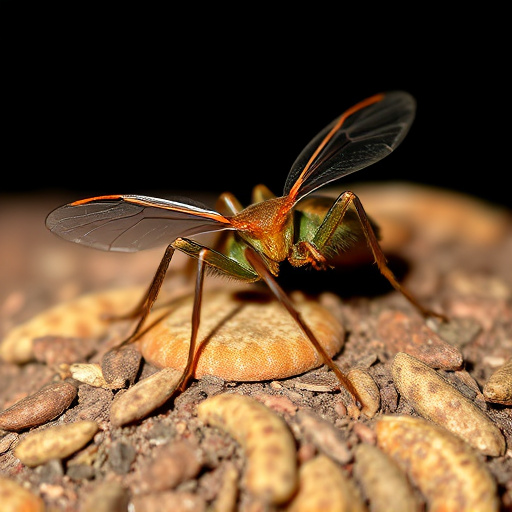
In the battle against ants, two distinct approaches exist: traditional and eco-friendly treatments. Tucson residents often turn to pest control experts for help in managing ant infestations. Traditional methods typically involve synthetic chemicals that may effectively eliminate ants but can also pose risks to human health and the environment. These chemicals can contaminate water sources, harm beneficial insects, and even lead to resistance in ant colonies over time.
Eco-friendly alternatives, on the other hand, prioritize natural solutions and organic repellents. Pest control professionals in Tucson are embracing these methods, offering safer options for both residents and the ecosystem. Non-toxic treatments like essential oils, boric acid, or diatomaceous earth can be highly effective in deterring ants without the negative side effects of conventional chemicals. By choosing eco-friendly ant treatments, Tucson kitchen spaces can be protected while preserving the balance of local ecosystems.
The Benefits of Choosing Green Pest Control for Your Home

When it comes to protecting your Tucson home from ants, opting for eco-friendly pest control methods offers numerous advantages. Unlike traditional treatments that rely heavily on toxic chemicals, green pest control alternatives provide a safer and more sustainable approach to ant management. By choosing Pest Control Tucson services with an environmental focus, you can enjoy peace of mind knowing that your family, pets, and local ecosystem are at less risk from harmful substances.
These methods often involve using natural repellents, biological agents, and non-toxic baiting systems to eliminate ant infestations effectively. Such techniques not only reduce the potential for health issues but also contribute to a healthier indoor environment. Furthermore, eco-friendly pest control is beneficial for the long-term preservation of your home, as it minimizes the risk of damage caused by toxic chemicals and helps maintain the overall well-being of your property.
When dealing with ant infestations in your Tucson kitchen, opting for eco-friendly ant treatments is a wise choice. Not only do these methods protect your family and pets from harmful chemicals, but they also contribute to a healthier environment. By choosing green pest control, you’re making a positive impact on both your home and the local ecosystem. So, why wait? Contact a trusted Pest Control Tucson service today to discover the benefits of eco-friendly solutions for your kitchen and beyond.