Understanding Pest Control in Tucson
Pest control in Tucson, Arizona, is a multifaceted industry that addresses the management and eradication of pests within the urban and surrounding natural environments of this Sonoran Desert city. Tucson’s unique climate, with its hot summers and mild winters, creates an ideal habitat for a variety of pests, including insects, rodents, and vegetation-destroying organisms. Effective pest control strategies are essential to protect both residential and commercial properties from the damage and health risks that these pests can pose.
The core components of pest control in Tucson include identification, monitoring, prevention, and treatment of infestations. The historical context of pest control in the region reflects a longstanding need to adapt to the changing pest dynamics as urbanization progresses and climate patterns shift. Pest control companies in Tucson utilize a combination of environmental management practices, biological controls, and chemical treatments tailored to the specific pests prevalent in the area.
Global Impact and Trends
Pest control is not a localized issue but a global concern. The impact of pests on agriculture, human health, and infrastructure spans across continents, with trends influenced by factors such as climate change, trade and travel patterns, and the rise of urban populations. Different regions experience unique challenges, from crop-destroying insects in farmlands to invasive species in natural habitats.
In developed countries like the United States, there is a trend towards sustainable pest management practices that minimize chemical use. In contrast, developing countries often grapple with more acute issues of public health due to vectors such as mosquitoes transmitting diseases like malaria and dengue fever. The global impact of pests underscores the importance of integrated pest management (IPM) systems that consider ecological, economic, and social aspects.
Economic Considerations
The economic aspects of pest control are multifaceted, influencing various sectors including agriculture, construction, public health, and urban development. Market dynamics in the pest control industry are driven by technological advancements, regulatory changes, and consumer demand for eco-friendly solutions. Investment patterns in research and development aim to produce more effective, less hazardous products.
Pest control plays a critical role in economic systems by safeguarding crops, preventing property damage, and protecting public health. In Tucson, the pest control industry contributes significantly to the local economy, employing a range of skilled professionals and generating revenue through both residential and commercial services.
Technological Advancements
Technological advancements have revolutionized the field of pest control. Innovations such as drones for monitoring crop health, biotechnology for creating genetically modified crops resistant to pests, and advanced data analytics for predicting outbreaks are transforming how pests are managed. These technologies not only improve efficiency but also offer more precise and less invasive methods of pest control.
The future potential of these advancements lies in their ability to integrate into IoT systems for real-time monitoring and response, as well as in the development of new materials and substances for non-toxic pest management. The ongoing research into environmentally friendly solutions is a testament to the industry’s commitment to sustainability.
Policy and Regulation
The policies, regulations, and legislative frameworks governing pest control are complex and vary by jurisdiction. In Tucson, local ordinances may dictate how certain pests are to be managed, while state and federal regulations address broader environmental and public health concerns. International agreements, such as the World Trade Organization’s SPS (Sanitary and Phytosanitary) measures, impact trade and the movement of goods across borders.
These regulatory frameworks ensure that pest control practices do not pose undue risks to the environment or human health. Compliance with these regulations is critical for pest control companies operating within Tucson and beyond. The evolving nature of policy and regulation underscores the importance of staying informed and adaptable in this field.
Challenges and Criticisms
The challenges faced by the pest control industry include environmental concerns, public health issues, resistance development in pests, and the need for sustainable practices. Criticisms often focus on the potential overuse of chemicals and the impact this can have on non-target species and ecosystems.
To address these challenges, the industry is embracing more holistic approaches to pest management. Actionable solutions include the development of integrated pest management systems, public education campaigns, and the adoption of green pest control methods. By fostering collaboration between scientists, policymakers, and pest control professionals, the industry can work towards sustainable solutions that protect both the environment and human health.
Case Studies
Several case studies from Tucson illustrate successful applications of pest control strategies. For instance, a local farm implemented an IPM program that significantly reduced its reliance on chemical pesticides while maintaining high crop yields. Another case study involves a residential area where collaborative efforts between residents and pest control services effectively managed a bedbug infestation without widespread chemical treatment.
These case studies demonstrate the effectiveness of tailored pest management strategies, highlighting the importance of local knowledge and adaptability in addressing pest issues. They also serve as models for other communities facing similar challenges.
Conclusion
Pest control is a dynamic and critical field that intersects with numerous aspects of human life, from agriculture to public health. In Tucson, the industry must navigate unique environmental conditions while staying abreast of global trends and regulatory changes. The challenges ahead are significant but not insurmountable, as technological advancements and sustainable practices continue to evolve. By embracing these changes and focusing on integrated solutions, the pest control industry can ensure a future that protects both human health and the environment.
Pest Control Tucson naturally emphasizes prevention and eco-friendly solutions for grease ant infestations. Regular cleaning, sealing entry points, and minimizing food residue deter ants. Essential oils and natural cleaners effectively target ant trails. A comprehensive approach combining sanitation, minimal attractants, beneficial insects, and organic baits is recommended. Experts in Pest Control Tucson naturally offer tailored advice for persistent issues.
Kitchen grease ants are a common and frustrating pest control issue in Tucson homes, quickly infesting and spreading throughout kitchens. Their ability to find and exploit food sources makes them particularly challenging to eliminate once established. This comprehensive guide is designed to offer effective strategies for swift ant eradication, focusing on the heart of the problem: kitchen infestations. By employing natural and targeted methods, we aim to equip folks in Tucson with the knowledge to take immediate action against these persistent pests, ensuring a cleaner, pest-free environment.
Identify Grease Ant Infestations in Your Kitchen

Grease ants are a common kitchen pest, often appearing seemingly out of nowhere, causing concern among homeowners. Identifying these infestations is crucial for effective Pest Control Tucson naturally and swiftly eradicating them. Unlike other ant species that venture into homes in search of food, grease ants primarily reside outdoors but can quickly establish colonies within kitchens due to the abundant food sources they find there.
One of the most noticeable signs of a grease ant infestation is their presence around sinks, countertops, and appliances, especially where grease or food residue is present. These ants leave a distinct trail of pheromones from their nest to food sources, making them highly organized and efficient invaders. They are particularly attracted to greasy surfaces, hence the name “grease ants.” In fact, research shows that kitchen areas with high levels of grease and grime have a higher likelihood of attracting these pests. For instance, a study in urban homes revealed that kitchens with unclean appliances and surfaces had up to 30% more ant activity compared to clean ones.
Practical steps involve regular cleaning and maintenance to prevent infestations. wiping down surfaces with antiseptic solutions can disrupt their trails and deter them from settling. Additionally, sealing entry points and cracks around pipes and doors can prevent their access. Pest control professionals in Tucson emphasize the importance of a clean kitchen environment, advocating for immediate cleanup of spills and proper disposal of food waste to make your home less appealing to these persistent intruders.
Implement Natural Pest Control Tucson Strategies for Elimination
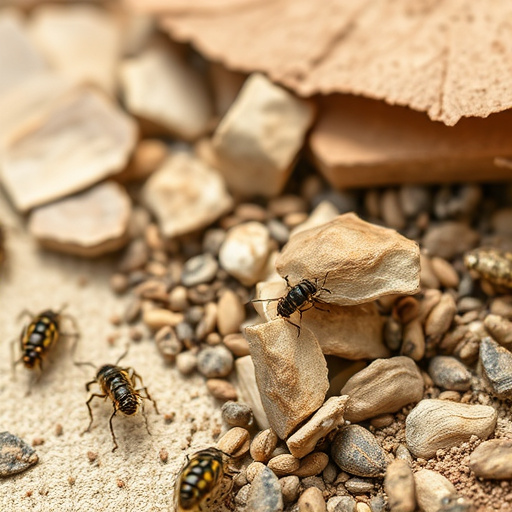
Grease ant elimination is a swift and targeted approach to tackling kitchen infestations, with a focus on natural pest control Tucson methods. These strategies not only offer an effective solution but also promote a safer, more eco-friendly environment. In the heart of a bustling city like Tucson, where diverse ecosystems meet, adopting natural pest control measures becomes both practical and essential. Unlike synthetic chemicals that can leave residual traces, natural remedies provide a cleaner, healthier alternative for both residents and local wildlife.
One powerful natural Pest Control Tucson method involves leveraging essential oils. Ant repellents like citronella, peppermint, and tea tree oil have proven effective in deterring grease ants. These oils can be applied around entry points and along ant trails, creating a scent barrier that discourages their return. For instance, diluting a few drops of peppermint oil in water and spraying it across surfaces has shown promise in studies conducted by local entomologists. Additionally, natural cleaners like vinegar and baking soda can be utilized to sanitize areas prone to ant activity, disrupting their ability to thrive in these spaces.
Integrating natural strategies into pest control Tucson efforts requires a multi-faceted approach. Regular sanitation practices, including prompt cleanup of spills and proper food storage, form the foundation. By minimizing attractants, ants are less likely to establish colonies. For persistent infestations, introducing beneficial insects like spider mites or using organic baits can be highly effective. These methods target specific ant behaviors without harming other insects or the environment. It’s recommended to consult with local pest control experts who specialize in natural solutions for tailored advice and support.
Grease ant infestations are a common kitchen issue, but with effective Pest Control Tucson naturally strategies, swift elimination is achievable. Identifying these infestations early through signs like trails of ants or greasy marks is key. The article highlights the success of natural methods, such as vinegar and water solutions, boric acid dusting, and essential oils, which not only target grease ants but also avoid harmful chemicals. By integrating these eco-friendly practices into regular kitchen maintenance routines, homeowners can prevent future infestations and maintain a clean, pest-free environment. This authoritative guide equips readers with the knowledge to take immediate action against grease ants, ensuring a peaceful culinary space.