
Pest Control Tucson naturally promotes safer, eco-friendly alternatives to traditional chemical methods. By using natural predators, plant-based repellents, and cultural practices like crop rotation, it minimizes exposure to harmful substances, protects pets and families, and fosters environmental balance. Homeowners can contribute by identifying pests, using natural remedies, and maintaining a diverse garden ecosystem. Local agricultural extensions, community gardens, and certified services offer tailored guidance for effective, sustainable pest control in Tucson.
In the vibrant landscape of Tucson, pet ownership is a cherished aspect of family life, yet the presence of pests can pose significant risks to these beloved companions. Pests, from fleas to rodents, not only cause discomfort but also transmit diseases, posing potential hazards to pets and their owners. The search for effective yet safe solutions has led many Tucson residents to explore organic pest control methods as a holistic alternative to traditional, potentially harmful chemicals. This article delves into the world of natural pest control, highlighting its benefits and providing valuable insights for pet owners seeking safer, more environmentally friendly Pest Control Tucson options.
- Understanding Organic Pest Control in Tucson
- Benefits for Family Pets and Their Health
- Common Pests and Natural Solutions in Tucson
- Implementing Organic Pest Management Strategies
- Local Resources for Sustainable Pest Control Tucson
Understanding Organic Pest Control in Tucson
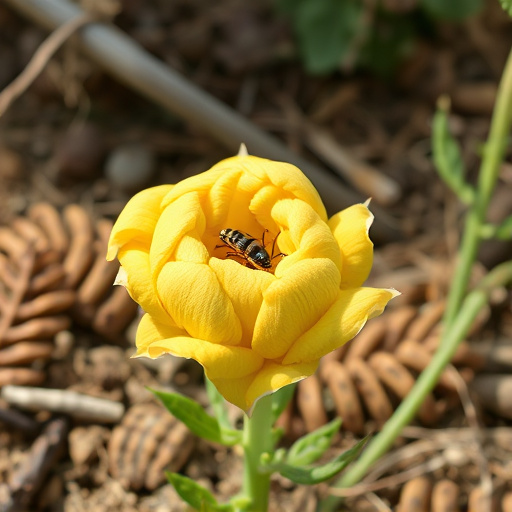
In Tucson, organic pest control is not just a trend but a necessary approach to safeguarding both family health and the environment. This method, also known as natural or eco-friendly pest control, leverages non-toxic solutions derived from plants, minerals, and other naturally occurring substances to manage pests. Unlike traditional chemical-heavy alternatives, Pest Control Tucson naturally focuses on understanding the interconnections within ecosystems to create a harmonious balance.
The appeal of organic pest control lies in its multifaceted benefits. First, it minimizes exposure to harmful chemicals, ensuring safer living environments for pets and families, especially children and elderly individuals who are more vulnerable. Research has shown that traditional pesticides can persist in the environment, potentially leading to long-term ecological disruptions. Organic methods, however, aim to break these cycles by promoting natural predators like ladybugs and spiders, using plant-based repellents, and employing cultural practices such as crop rotation and beneficial insect release.
Implementing organic pest control requires a shift in perspective and knowledge. Homeowners in Tucson can start by identifying common pests naturally occurring in their areas and understanding their behaviors. For instance, introducing predators like lacewings or using neem oil, a natural insecticide derived from the neem tree, can effectively manage ant infestations. Additionally, maintaining a healthy garden ecosystem with diverse plant life supports beneficial insects, reducing the need for chemical interventions. Expert advice from local agricultural extensions and certified organic pest control services in Tucson can provide tailored guidance, ensuring effective yet sustainable results.
Benefits for Family Pets and Their Health

Organic pest solutions offer a safer and more beneficial approach to protecting Tucson’s family pets from harmful insects and pests. Unlike traditional chemical-laden pest control methods, which can leave behind toxic residues, Pest Control Tucson naturally employs eco-friendly strategies that minimize risks to pets’ health while effectively managing infestations. One of the primary advantages is the absence of synthetic chemicals, many of which can be irritants or even toxic to animals, leading to various health issues ranging from skin allergies and respiratory problems to more severe systemic damage.
By adopting organic pest control methods, Tucson residents can ensure a healthier environment for their pets. For instance, essential oils like lemon eucalyptus and peppermint are potent natural repellents known to deter common pests such as fleas and mosquitoes. These plant-based substances not only mask odors that attract pests but also contain compounds that repel them, providing a safe and effective alternative to synthetic pesticides. Moreover, organic solutions often focus on eliminating the root cause of pest problems rather than merely treating symptoms, fostering long-term environmental balance and pest prevention.
Regular monitoring and proactive measures, combined with natural repellents and baits, can significantly reduce the need for chemical interventions. This approach not only benefits pets but also contributes to a more sustainable and ecologically balanced Tucson ecosystem. By prioritizing pet health and well-being, residents can create a safer home environment while promoting the overall resilience of their community against pests, reinforcing the connection between organic pest control and a healthier, more vibrant Tucson.
Common Pests and Natural Solutions in Tucson
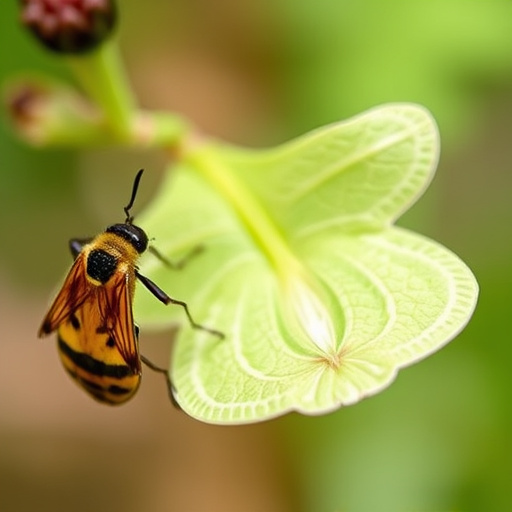
In Tucson, common pests like cockroaches, ants, spiders, and fleas can pose significant risks to both family health and pets. Traditional pest control methods often rely on synthetic chemicals that can be harmful to animals if ingested or inhaled. Fortunately, residents in Tucson have a powerful ally in Pest Control Tucson naturally. Opting for organic solutions not only protects pets but also contributes to a healthier environment.
Organic pest management leverages natural substances like essential oils, plant extracts, and beneficial insects to combat pests effectively. For instance, citrus oils and peppermint are known to deter ants and spiders due to their strong scents, while neem oil, derived from the neem tree, acts as a natural insecticide and repellant. In one study, researchers found that organic methods can be just as effective as synthetic pesticides in controlling common household pests with significantly lower environmental impact.
When implementing Pest Control Tucson naturally, it’s essential to identify the specific pest and choose the appropriate organic solution. Regular cleaning, sealing entry points, and maintaining a clutter-free environment can prevent many pests from taking hold. For example, wiping down surfaces with vinegar and water can eliminate cockroach habitats, while spreading diatomaceous earth—a natural powder made from fossilized algae—can help control ants and spiders by dehydrating them. Using organic pet care products and feeding pets a balanced diet also contributes to overall pest resistance.
Implementing Organic Pest Management Strategies

In the pursuit of a harmonious coexistence with nature, Pest Control Tucson naturally takes center stage as a sustainable alternative to conventional methods. Implementing organic pest management strategies not only safeguards Tucson’s diverse ecosystems but also ensures the well-being of local family pets. Unlike synthetic chemicals that can leave harmful residues and pose potential health risks, natural solutions offer a safer, eco-friendly approach.
At the heart of effective organic pest control lie biological, physical, and cultural methods. Biological controls involve introducing beneficial insects or pathogens to suppress pests, maintaining a balanced ecosystem within and around homes. For instance, ladybugs and lacewings are renowned for their appetite for aphids—a common garden pest. Physical methods, such as handpicking, trapping, and mechanical removal, offer direct and non-toxic ways to manage infestations. A simple example is using sticky traps to catch flying insects like moths and flies without the use of chemicals.
Cultural practices also play a significant role in organic Pest Control Tucson. Proper sanitation, including regular cleaning and waste management, can prevent pest attractions. Seasonal rotations of crops and landscaping can disrupt pest life cycles while promoting biodiversity. Additionally, selecting pest-resistant plant varieties and practicing companion planting—where plants are grown together to deter pests naturally—are powerful tools in any organic arsenal. These strategies not only reduce the reliance on synthetic chemicals but also foster a healthier environment for both humans and pets.
Local Resources for Sustainable Pest Control Tucson

Tucson residents increasingly seek sustainable solutions for pest control, recognizing the potential risks associated with traditional chemical-heavy methods. Fortunately, the city boasts a thriving network of local resources dedicated to providing Pest Control Tucson that prioritizes natural, eco-friendly approaches. These options not only protect local ecosystems and water sources but also ensure the safety of Tucson’s beloved pets.
Community gardens and agricultural extensions are valuable hubs for learning about integrated pest management (IPM) techniques. These organizations often offer workshops and resources on using beneficial insects, organic pesticides, and cultural controls to manage pests effectively while minimizing harm. For instance, the University of Arizona Cooperative Extension offers extensive information tailored to local conditions, empowering residents to make informed choices about Pest Control Tucson.
Beyond educational resources, Tucson is home to several businesses specializing in organic pest control services. These professionals employ a range of strategies, from natural repellents and plant-based insecticides to specialized equipment that targets specific pests. By choosing locally-based companies committed to sustainable practices, Tucson residents can contribute to a healthier environment while enjoying the benefits of pest-free homes and gardens.
By adopting organic pest control methods in Tucson naturally, residents can effectively protect their family pets from harmful chemicals while promoting a healthier environment. The article has highlighted several key insights: first, organic solutions offer significant benefits for pet health by eliminating toxic residues and reducing exposure to dangerous pesticides. Second, common pests in Tucson can be managed through natural means, such as beneficial insects, plant-based repellents, and cultural practices. Third, implementing integrated pest management strategies involves a combination of prevention, monitoring, and non-chemical controls tailored to specific pests. Lastly, local resources and support networks in Tucson provide accessible options for sustainable pest control, empowering residents to make informed choices that prioritize both their pets’ well-being and ecological balance.