Chagas disease, carried by kissing bugs (Triatoma cruzi), is a significant health concern in Tucson due to ideal bug habitats. Pest Control Tucson offers expert inspections, targeted eliminations, and eco-friendly solutions like sealing entry points and natural repellents. Regular inspections, early detection, and community education are vital for mitigating the risk of infection through integrated pest management (IPM) strategies. Professional inspectors use specialized tools to identify subtle signs of bugs, while educational initiatives focus on recognizing bug behavior, identifying infestation, and good housekeeping practices. Pest Control Tucson plays a crucial role in protecting homes, communities, and public health from kissing bugs and Chagas disease.
Chagas disease, a potentially life-threatening illness transmitted by the kissing bug, poses a significant health risk in certain regions. While awareness is growing, many communities remain vulnerable to this vector-borne disease. In Tucson, where pest control services are renowned for their expertise, proactive measures like thorough kissing bug inspections offer a powerful defense against Chagas. These inspections identify and mitigate potential sources of infection, providing critical protection for residents. By integrating such practices into regular home maintenance routines, we can significantly reduce the risk of this often-overlooked yet serious health concern.
- Understanding Chagas Disease and Kissing Bugs in Tucson
- Common Signs of Kissing Bug Infestations
- Effective Pest Control Tucson Methods for Prevention
- The Role of Professional Inspectors in Bug Detection
- Protecting Your Home: Long-term Solutions and Maintenance
- Community Awareness and Education for Disease Prevention
Understanding Chagas Disease and Kissing Bugs in Tucson
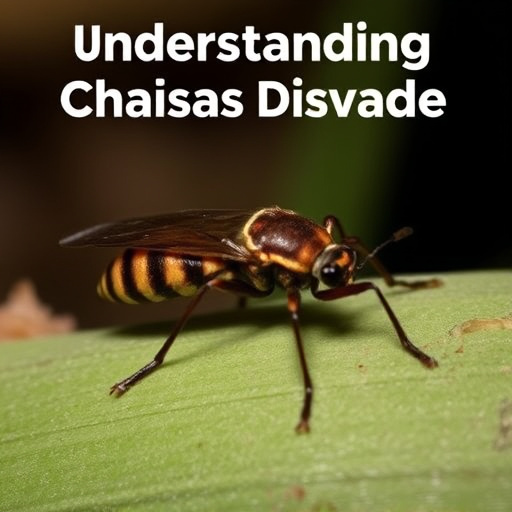
Chagas disease, caused by a parasite transmitted primarily through the bite of infected triatomine bugs—commonly known as kissing bugs—poses a significant health risk in Tucson and across the southwestern U.S. These insects, active at night, feed on human blood, depositing the parasite during contact. Over time, infection can lead to serious cardiac and gastrointestinal complications.
Tucson’s climate creates ideal conditions for triatomine bugs to thrive, particularly in areas with dense vegetation, cracks in foundations, and spaces behind walls—common hiding spots. A study by the Arizona Department of Health found that approximately 1% of residential homes in Tucson are positive for the presence of kissing bugs, indicating a potential Chagas disease risk. This highlights the need for proactive prevention measures.
Pest control in Tucson plays a crucial role in mitigating these risks. Regular inspections by trained professionals can identify potential bug habitats and implement targeted strategies to eliminate them. Natural pest control methods, such as sealing entry points, maintaining proper sanitation, and using insecticidal plants like marigolds, offer eco-friendly alternatives. Educating residents about the disease, its transmission, and preventive measures is equally important. By combining expert inspections, natural solutions, and community awareness, Tucson can effectively navigate the challenges posed by kissing bugs and Chagas disease, ensuring a healthier environment for all.
Common Signs of Kissing Bug Infestations
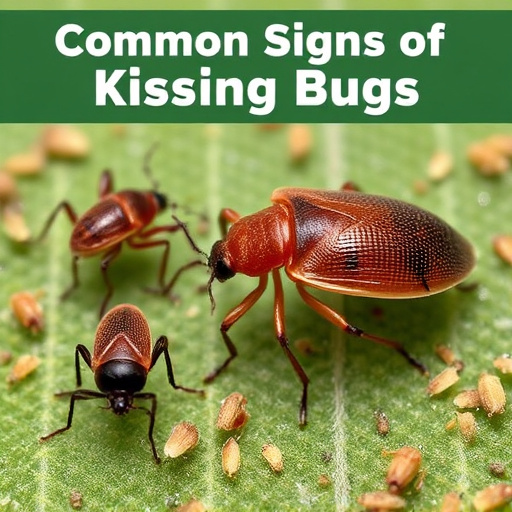
The common kissing bug, scientifically known as Triatoma infestans, is a tiny yet menacing pest that can carry and transmit Chagas disease, a serious health condition affecting millions worldwide. While Tucson’s diverse climate presents unique challenges for pest control professionals, it also demands specific strategies to combat these insidious bugs. Recognizing the signs of a kissing bug infestation is crucial in preventing Chagas disease transmission. These insects are most active during the night, when they seek out warm-blooded hosts, hence the name ‘kissing’ bug. They are attracted to carbon dioxide and body heat, making them prone to biting humans as they sleep.
One of the earliest signs of an infestation is the presence of small, red, or brown dots on bedding or furniture, left by the bugs as they feed. These bugs prefer warm, dark spaces, so inspecting areas like bed frames, behind headboards, and under furniture can yield significant results. Additionally, their waste material may leave behind a distinct musty odor, which is often the first scent that homeowners notice. If left unchecked, an infestation can lead to more noticeable symptoms, such as itchy or swollen bite marks on exposed skin, typically around the face, neck, or arms. In severe cases, large numbers of bugs may be visible during the day, especially in corners and crevices near windows or doors.
Pest control Tucson experts recommend regular inspections, particularly for individuals at higher risk, such as the elderly or those with compromised immune systems. Early detection is key to preventing Chagas disease transmission. Professional services employ specialized techniques, including detailed inspections, pest identification, and tailored treatment plans using environmentally friendly methods, ensuring a safe and effective solution without endangering local ecosystems.
Effective Pest Control Tucson Methods for Prevention
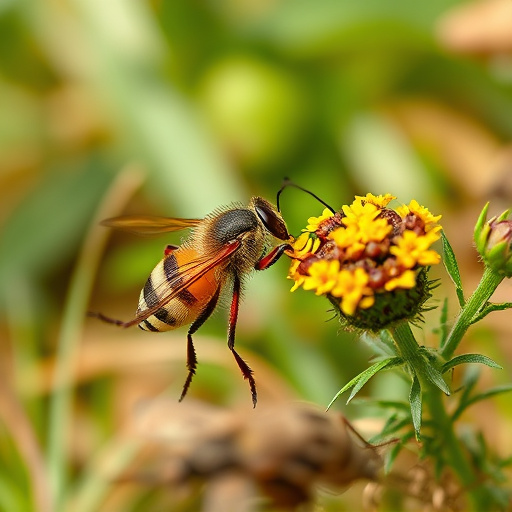
The Kissing Bug, scientifically known as Triatoma cruzi, is a tiny insect vector responsible for transmitting Chagas disease, a serious health condition affecting millions worldwide. Effective Pest Control Tucson methods are crucial in mitigating the risk of this devastating disease, especially in areas where these bugs thrive. In addition to traditional control strategies, natural pest control Tucson approaches have gained prominence due to their environmental friendliness and effectiveness. One such method involves targeting the bug’s specific habitat and behavior. Kissing bugs are often found in cracks and crevices of homes, particularly in regions with poor ventilation and unsanitary conditions. Implementing a thorough inspection process is an essential first step in Pest Control Tucson for Chagas disease prevention.
Professional inspectors should pay close attention to areas around doors, windows, walls, and ceilings—common hiding spots for these insects. By identifying and sealing entry points, individuals can significantly reduce the bug’s ability to enter homes. Natural repellents like citronella oil or neem oil can also be used as complementary measures. For instance, a study conducted in Mexico found that applying neem oil to sleeping areas reduced kissing bug activity by over 70% during the transmission season. Additionally, maintaining a clean and clutter-free environment is vital; removing potential hiding places and regularly cleaning bed linens and mattresses can disrupt the bugs’ life cycle.
Regular pest control Tucson services, especially those focusing on integrated pest management (IPM), have proven effective in controlling kissing bug populations. IPM combines multiple strategies, including biological, cultural, and chemical controls, to manage pests humanely and sustainably. By employing natural predators like spiders and using targeted insecticides only when necessary, IPM approaches can minimize the environmental impact while effectively reducing bug populations. For instance, a community-based IPM program in Latin America successfully lowered Chagas disease incidence rates by implementing regular inspections and targeted pest control measures. This holistic approach to Pest Control Tucson is not only a powerful tool against kissing bugs but also a sustainable solution for maintaining a healthy environment.
The Role of Professional Inspectors in Bug Detection

Professional inspectors play a pivotal role in identifying and mitigating the risks associated with the kissing bug, commonly known as Triatoma cruzi, which is the primary vector for Chagas disease. In areas where this pest is prevalent, such as parts of Latin America and increasingly in the southern United States, including Pest Control Tucson, their expertise is indispensable. These inspectors are trained to detect even the subtlest signs of these tiny but dangerous insects, often hiding in hard-to-reach places like cracks in walls, behind furniture, or under flooring.
Their meticulous inspections involve a comprehensive understanding of the bugs’ behavior and life cycle. They know that kissing bugs are attracted to carbon dioxide and body heat, making them prone to seeking out human dwellings at night. By utilizing specialized equipment, including UV lights and traps, they can uncover hidden insects and their feces, which indicate the presence of the parasite. For instance, a study in Mexico found that professional inspections significantly increased the detection rate of infected bugs compared to do-it-yourself methods.
Once identified, these professionals can provide effective control strategies tailored to each property’s unique needs. They employ integrated pest management techniques, combining targeted treatments with preventive measures like sealing entry points and eliminating potential breeding sites. By collaborating closely with residents and property managers, they ensure not only the elimination of existing infestations but also the prevention of future Chagas disease transmission. Regular inspections, especially in at-risk regions, are crucial to maintaining healthy living environments.
Protecting Your Home: Long-term Solutions and Maintenance

Protecting your home from kissing bugs is crucial in mitigating the risk of Chagas disease, a potentially serious illness transmitted by these insects. In Tucson, where pest control services are readily available, long-term solutions focus on comprehensive inspections and maintenance strategies. Regular bug inspections by professionals equipped with knowledge about local pests can identify potential breeding grounds and hiding spots within your property. This proactive approach allows for the early detection of kissing bugs, which prefer secluded areas like dark corners, cracks in walls, and spaces behind furniture.
One effective method is to seal entry points and gaps that might allow bugs to enter your home. Pest control Tucson specialists recommend using caulk or weatherstripping around windows, doors, and utility pipes. Additionally, ensuring proper ventilation and removing potential breeding sites such as standing water can significantly reduce bug populations. Regular maintenance includes thorough cleaning, particularly of areas where pests are commonly found, like kitchens and bathrooms.
For long-lasting protection, consider ongoing pest control programs tailored to your specific needs. These services often involve a combination of inspections, treatments, and advice on maintaining a bug-free environment. By implementing these measures, Tucson residents can take significant steps towards protecting their homes and families from the dangers associated with kissing bugs and Chagas disease.
Community Awareness and Education for Disease Prevention

Community awareness and education are pivotal components in the battle against Chagas disease, a potentially life-threatening illness transmitted by the kissing bug. In areas where these insects proliferate, such as parts of Latin America and increasingly in the southwestern United States, including Tucson, prevention through knowledge is key. Pest Control Tucson emphasizes that while professional inspections and treatments play a crucial role, empowering communities to recognize risks and take proactive measures can significantly reduce the likelihood of infection.
Educational initiatives should focus on raising awareness about the kissing bug’s behavior and its role in disease transmission. For instance, residents should be informed that these bugs are most active at night and tend to seek out warm, dark spaces like bed frames, creating a strong incentive for regular inspections before sleep. By teaching communities how to identify signs of an infestation—such as small red marks on the skin, often resembling a kiss—individuals can promptly take action. Early detection is critical, as it allows for more effective treatment of both the disease and the pest.
Community engagement programs can facilitate these educational efforts through workshops, informational sessions, and door-to-door campaigns. Local health departments and Pest Control Tucson professionals can collaborate to provide resources that teach people how to inspect their homes and sleeping areas regularly. Additionally, emphasizing good housekeeping practices, such as maintaining a clean home environment and promptly addressing any signs of pest activity, can serve as an effective natural defense against the kissing bug and Chagas disease.
By understanding the risks posed by kissing bugs and Chagas disease, residents of Tucson can take proactive steps to protect their health and homes. Key insights from this article highlight the importance of regular Kissing Bug inspections as a critical Pest Control Tucson method, especially in areas where these insects are prevalent. Early detection through professional inspectors is crucial for preventing infestations and mitigating the spread of Chagas disease. Additionally, maintaining long-term solutions and community education play significant roles in managing and reducing these health risks. By implementing these practical measures, residents can safeguard their well-being and contribute to a healthier Tucson community.