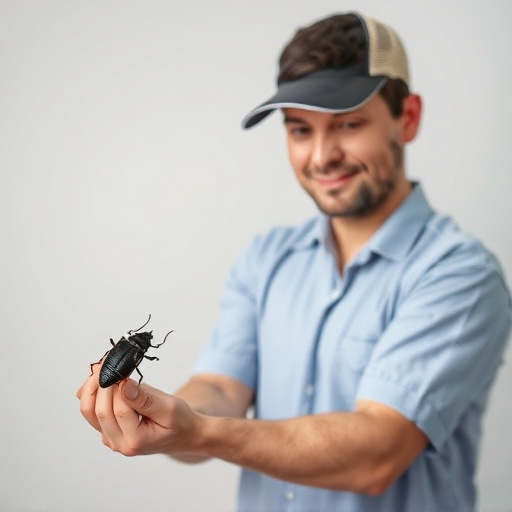
Kissing bugs, vectors for Chagas disease, pose health risks in Tucson. Pest Control Tucson offers:
1. Regular inspections and elimination.
2. Year-round prevention strategies.
3. Expert advice for significant risk reduction.
High-risk areas include dense vegetation and structures with gaps. Strategies focus on inspections, targeted treatments, and community education. Pest Control Tucson, in partnership with health departments, protects residents through collaborative efforts.
Chagas disease, a potentially life-threatening illness transmitted by the kissing bug, poses a significant health risk in certain regions. Carried by these insidious pests, Trypanosoma cruzi parasites can remain dormant for years, leading to acute and chronic infections if left undetected. In areas like Tucson, where pest control is a priority, proactive inspections are crucial. By implementing regular Kissing Bug inspections, residents can mitigate the risk of contracting this neglected tropical disease. This article delves into the importance of such measures, providing valuable insights for both health authorities and homeowners seeking effective pest control in Tucson.
- Understanding Kissing Bugs and Chagas Disease
- The Role of Pest Control Tucson in Prevention
- Identifying Risk Areas and Implementation Strategies
Understanding Kissing Bugs and Chagas Disease

Kissing bugs, scientifically known as triatomines, are a group of blood-sucking insects that pose a significant health risk, particularly in tropical and subtropical regions. These bugs are responsible for transmitting Chagas disease, a potentially life-threatening infection caused by the parasite Trypanosoma cruzi. In the United States, cases of Chagas disease have been primarily linked to kissing bugs found in the southwestern states, including Arizona and California. In Tucson, Arizona, where Pest Control Tucson operates, understanding these bugs and their role in disease transmission is crucial for preventing and managing this public health concern.
The pest control experts in Tucson emphasize that kissing bugs are not limited to urban areas, but they thrive in various environments, from forests and fields to rural homes. These bugs are attracted to carbon dioxide, body heat, and certain chemical signals, making them likely to bite humans, especially during sleep. After feeding, they often leave behind feces containing the parasite, which can inadvertently be transmitted to humans or other animals through direct contact or contaminated food and water. The infection can lead to a range of symptoms, from mild flu-like illnesses to more severe chronic heart and digestive problems.
To mitigate the risks associated with kissing bugs and Chagas disease, Tucson residents should adopt proactive measures. Regular inspections by professional pest control services are essential to identifying and eliminating these insects from homes and properties. Tucson’s climate, with its warm, dry summers and mild winters, creates optimal conditions for kissing bugs to survive and breed. Therefore, year-round prevention and control strategies are recommended. This includes sealing entry points, maintaining good hygiene, and treating affected areas with specialized pest control products. By combining these practices with expert advice from local pest control providers, residents can significantly reduce the presence of kissing bugs and the potential for Chagas disease transmission.
The Role of Pest Control Tucson in Prevention

Pest Control Tucson plays a pivotal role in preventing Chagas disease by targeting the kissing bug, a tiny insect responsible for transmitting Trypanosoma cruzi, the parasite causing this debilitating condition. These bugs thrive in warm climates, making areas like Tucson particularly vulnerable. While they often go unnoticed during their day-time rest in dark, secluded places, they become active at night when they feed on blood, passing the parasite to humans through their feces.
Professional pest control services in Tucson are crucial for identifying and eliminating kissing bug infestations before they can pose a risk to public health. Expert technicians employ targeted treatments using safe, effective methods that disrupt breeding cycles and discourage these bugs from making homes within human living spaces. Regular inspections, especially in regions with known kissing bug presence, serve as a proactive measure. Data suggests that consistent pest control interventions can significantly reduce the incidence of Chagas disease in affected communities.
For instance, targeted fumigation, combined with insecticidal treatments, has proven effective in reducing kissing bug populations by up to 90%. Pest Control Tucson professionals also utilize surveillance techniques, such as setting out sticky traps, to monitor bug activity and pinpoint areas requiring attention. This data-driven approach ensures that treatments are focused on high-risk zones, maximizing their impact. By partnering with local health departments and community organizations, Pest Control Tucson contributes to a collaborative effort that protects residents from the hidden dangers of these tiny but tenacious pests.
Identifying Risk Areas and Implementation Strategies

Identifying high-risk areas is a critical first step in any pest control program, particularly when targeting the Kissing Bug, a vector for Chagas disease. In Tucson, Arizona, where pest control practices have evolved alongside the region’s unique ecosystem, understanding habitat preferences and behavior patterns of this insect is paramount. The Kissing Bug, scientifically known as Triatoma spp., tends to flourish in areas with ample hiding spots, such as dense vegetation, poorly maintained landscapes, and structures with gaps or openings—a natural haven in Tucson’s diverse environment. For instance, the city’s abundant parks, gardens, and suburban neighborhoods can harbor these bugs, making comprehensive inspections vital.
Implementing effective pest control strategies requires a multi-faceted approach tailored to local conditions. In Tucson, professionals often employ a combination of surveillance techniques, including light traps and systematic searches in at-risk areas. By collecting data on bug abundance and distribution, experts can pinpoint hotspots and design targeted interventions. For example, focusing on regular inspections around window frames, doors, and vents, common entry points for bugs seeking blood meals, has shown promise. Additionally, treating outdoor living spaces with approved insecticides during peak activity periods can significantly reduce populations.
Community engagement is another key strategy in the fight against Kissing Bugs. Educating residents about risk factors and simple preventive measures goes a long way. Encouraging regular inspections of homes, especially for individuals at higher risk due to age or health conditions, empowers folks to take ownership. Pest control Tucson experts can provide guidance on DIY inspections and offer tailored advice based on individual circumstances. This collaborative approach ensures that while professional expertise is accessible, residents also have the knowledge to contribute to their own protection.
Through a comprehensive understanding of kissing bugs and their association with Chagas disease, as well as the crucial role Pest Control Tucson plays in prevention, readers now possess invaluable insights. Key takeaways include identifying high-risk areas, implementing strategic interventions, and recognizing the expertise of professional pest control services like Pest Control Tucson for effective management. By adopting these practices, communities can significantly minimize the risk of Chagas disease transmission, ultimately safeguarding public health. This article serves as a practical guide, empowering readers to take proactive measures against this vector-borne illness.