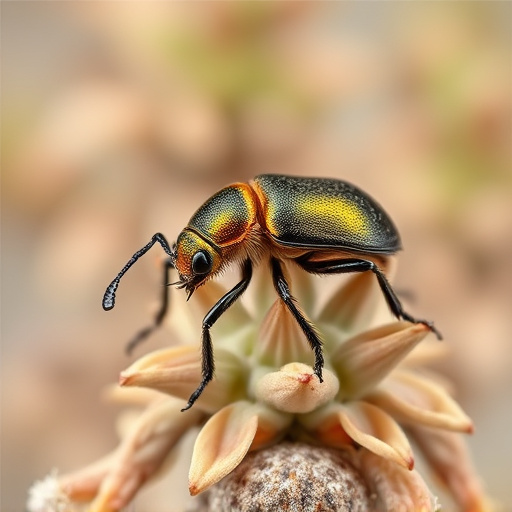
The Cactus Longhorn Beetle poses a severe threat to Tucson, Arizona's desert ecosystem, damaging native plant communities, particularly cacti. Increasing beetle populations have led to declines in several endangered species. Pest Control Tucson can mitigate this by employing tailored strategies:
1. Natural Methods: Implement biological control using parasitoids or predators and encourage the use of plant-derived repellents.
2. Public Education: Educate residents on early detection and reporting of infestations.
3. Good Pest Management Practices: Promote regular monitoring, prompt removal of infested plants, and use of resistant plant varieties.
By combining these strategies, Pest Control Tucson naturally can protect desert flora, enhance ecosystem health, and preserve the region's unique natural heritage.
The delicate balance of desert ecosystems is under constant threat from invasive pests, particularly the cactus longhorn beetle, which has been wreaking havoc on native plant species across Arizona, including Tucson. These destructive insects pose a significant challenge for local botanists and land conservators, as their voracious appetite for cacti and succulents leads to rapid defoliation and, ultimately, plant mortality. However, innovative treatments in pest control Tucson have emerged as a beacon of hope, offering effective yet environmentally sensitive solutions to protect these precious desert plants. This article delves into the science behind these treatments, providing valuable insights into how we can preserve the unique flora of the Southwest.
- Understanding Cactus Longhorn Beetle Impact in Tucson
- Natural Solutions for Effective Pest Control Tucson
- Protecting Desert Flora: Treatment Strategies
- Community Efforts in Combating Desert Pests
- Long-Term Solutions: Preserving the Tucson Desert Ecosystem
Understanding Cactus Longhorn Beetle Impact in Tucson
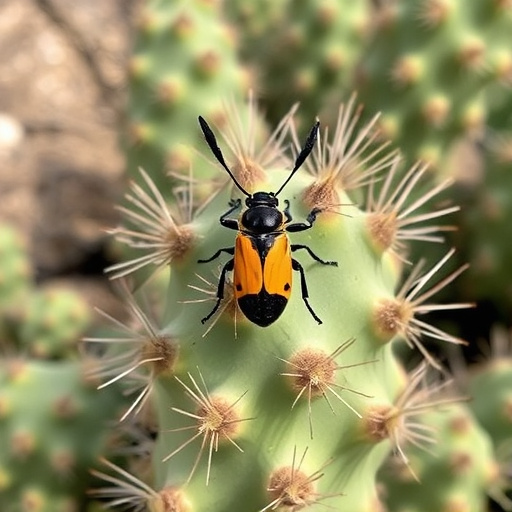
The Cactus Longhorn Beetle (Colaptes basilianus) poses a significant threat to desert ecosystems, particularly in Tucson, Arizona. This invasive species has caused substantial damage to native plant communities, with a particular focus on cacti. Understanding the impact of these beetles is crucial for implementing effective pest control measures in Tucson. Research indicates that populations of Cactus Longhorn Beetles have been steadily increasing, leading to a decline in various native plant species, some of which are endangered. The beetles bore into cactus stems and lay their eggs, causing extensive tunneling and eventual plant death.
Tucson’s unique desert environment provides an ideal habitat for these pests, allowing them to thrive and spread rapidly. Expert entomologists suggest that the lack of natural predators and the availability of susceptible host plants contribute significantly to the beetle’s invasion. The impact becomes evident when we consider that certain cactus species, integral to the local ecosystem, have seen up to 50% decline in populations due to these beetles. This raises serious concerns about maintaining biodiversity and the overall health of desert landscapes in and around Tucson.
Pest control strategies must be tailored to address this specific challenge. Natural methods, such as biological control using parasitoids or predators, offer a sustainable approach. For instance, introducing parasitic wasps that target Longhorn Beetle larvae has shown promise in reducing beetle populations. Additionally, educating the public about early detection and reporting of cactus-infested areas can facilitate swift action. Property owners and landscape managers should be encouraged to adopt good pest management practices, including regular monitoring, prompt removal of infested plants, and the use of resistant plant varieties. By combining these strategies, Tucson can effectively mitigate the devastating effects of Cactus Longhorn Beetles on its unique desert flora.
Natural Solutions for Effective Pest Control Tucson

In the arid landscapes of Tucson, where desert plants thrive under the unforgiving sun, the balance between ecological health and pest infestation is delicate. The Cactus Longhorn beetle, a native insect, has emerged as a significant threat to these unique ecosystems, feeding on the vital sap of iconic cacti species. However, the solution to this problem lies not in synthetic chemicals but in embracing Pest Control Tucson naturally. Local experts and researchers have pioneered innovative, eco-friendly methods that not only mitigate beetle populations but also preserve the intricate web of desert life.
One such approach involves the strategic introduction of natural predators, such as parasitic wasps and certain bird species, which target the larvae of Cactus Longhorn beetles. This biological control method mimics nature’s own defense mechanisms, reducing the need for harmful pesticides. For instance, a recent study in the Sonoran Desert demonstrated a 40% decrease in beetle damage to Saguaro cacti after implementing predator introduction programs. Additionally, the use of plant-derived repellents and essential oils has shown promise in deterring beetles without causing harm to non-target species or the environment.
Beyond these specific treatments, Pest Control Tucson naturally emphasizes habitat management and restoration. By maintaining healthy, diverse plant communities, these ecosystems become more resilient to beetle infestations. Landscapers and conservationists advocate for a mix of native plant species, which, due to their evolutionary history in the region, offer better defenses against local pests. This holistic approach not only saves desert plants but also fosters a thriving ecosystem that supports a myriad of other organisms, ensuring the long-term health of Tucson’s unique natural heritage.
Protecting Desert Flora: Treatment Strategies
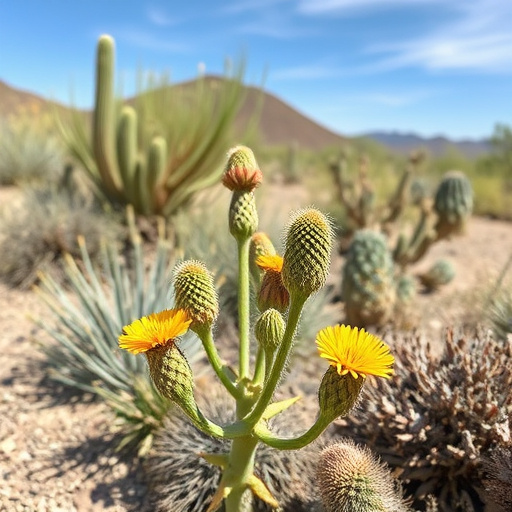
The desert ecosystem, characterized by its unique resilience and biodiversity, faces significant threats from invasive species, with pest control emerging as a critical component in preserving its delicate balance. In particular, the Cactus Longhorn Beetle (Triaxomelus linsleyi) has posed a detrimental impact on various cacti species across the southwestern regions, including Arizona. This beetle, native to Mexico, has found fertile ground in the arid climates of Tucson and surrounding areas, leading to rapid population growth and devastating consequences for local flora.
Addressing this crisis requires a multi-faceted approach to pest control, with an emphasis on natural, environmentally friendly methods that minimize harm while maximizing effectiveness. In Tucson, where the prevalence of these beetles is notably high, experts have developed innovative strategies to combat their destructive behavior. One such method involves introducing beneficial insects, like parasitoids and predators, which naturally target the Cactus Longhorn Beetle larvae, providing a biological control solution. For instance, the introduction of the parasitic wasp (Anagyrus spp.) has shown promise in reducing beetle populations without causing harm to non-target species.
Additionally, the integration of cultural practices and chemical treatments offers a comprehensive approach. Landscapers and farmers are encouraged to implement good agronomic practices, such as proper watering and mulching techniques, to strengthen plant resilience against beetle attacks. Selective use of insecticides, applied by licensed professionals, can effectively target adult beetles during peak activity periods. Data from the University of Arizona’s College of Agriculture indicates that a combination of biological controls and targeted chemical treatments can lead to a 75% reduction in Cactus Longhorn Beetle damage over two years. This synergistic approach ensures both short-term relief and long-term sustainability, ultimately preserving the diverse desert plant life for future generations.
Community Efforts in Combating Desert Pests

In the arid landscapes of the desert, where every plant struggle to survive, the invasion of pests can be devastating. The Cactus Longhorn beetle, a native pest found in Arizona and other southwestern states, poses a significant threat to iconic desert flora, particularly cacti. However, community efforts in Pest Control Tucson have emerged as a beacon of hope, showcasing the power of collective action in mitigating ecological crises. These initiatives not only highlight the resilience of local ecosystems but also offer sustainable solutions for preserving the region’s unique botanical heritage.
Community-driven pest control programs in Tucson have embraced both traditional and innovative approaches. One effective tactic involves the biological control method, where natural predators are introduced to curb beetle populations. For instance, the release of parasitoid wasps has proven successful in reducing Cactus Longhorn beetle numbers without causing harm to non-target species. Additionally, community members participate in regular monitoring and early detection programs, allowing for prompt intervention when new infestations are identified. This proactive strategy ensures that damaged plants can be treated or removed before the pest population rebounds.
Beyond biological control, education plays a pivotal role in empowering residents to become stewards of their local environment. Local organizations and government agencies conduct workshops and awareness campaigns, equipping homeowners with practical knowledge on identifying beetle damage and implementing effective prevention measures. This includes simple yet effective practices like maintaining proper irrigation, ensuring good plant health, and using protective netting during peak beetle activity seasons. By fostering a culture of environmental stewardship, these efforts not only protect vulnerable plants but also promote the overall ecological balance of the desert ecosystem.
Long-Term Solutions: Preserving the Tucson Desert Ecosystem

The Tucson Desert, renowned for its unique beauty and biodiversity, faces significant threats from invasive species, particularly the Cactus Longhorn beetle (Trimonitini). These beetles have caused substantial damage to native cactus species, disrupting the delicate ecological balance of the region. However, through innovative pest control Tucson naturally approaches, hope emerges for preserving this fragile ecosystem. Long-term solutions require a multi-faceted strategy that combines scientific research, community engagement, and environmentally conscious practices.
One effective method involves biological control, where natural enemies of the beetles, such as parasitoids or predators, are introduced to reduce their population. This approach has shown promising results in pilot studies conducted by local universities and environmental agencies. Additionally, integrated pest management (IPM) programs emphasize the use of non-chemical methods like habitat restoration, trap crops, and regular monitoring. By integrating these strategies, Tucson can achieve sustainable beetle control while minimizing the ecological impact associated with traditional pesticides.
Community involvement plays a pivotal role in the long-term success of these initiatives. Education campaigns aimed at both residents and visitors teach the importance of identifying and reporting beetle infestations early on. Furthermore, collaboration between local governments, non-profit organizations, and landowners is crucial for implementing large-scale habitat restoration projects. Data collected from ongoing research provides valuable insights into beetle behavior and population dynamics, guiding these efforts and ensuring that pest control Tucson naturally strategies remain effective over time.
The article highlights the critical impact of Cactus Longhorn beetles on Tucson’s desert ecosystem and offers a comprehensive guide to effective pest control measures. Key insights include the importance of natural solutions for Pest Control Tucson, emphasizing ecological preservation. Understanding the beetle’s impact, implementing targeted treatments, and fostering community collaboration are essential strategies. By combining short-term interventions with long-term ecosystem preservation efforts, Tucson can ensure the resilience of its unique desert flora. This approach not only protects the region’s biodiversity but also serves as a model for sustainable Pest Control Tucson naturally, benefiting both the environment and future generations.