
Termite damage poses significant threats to Tucson homes due to local soil composition. Pest Control Tucson specialists address this by:
– Identifying preferred soil types for different termite species, with Western Subterfuge Termites thriving in urban clay.
– Implementing effective control through soil barriers, using termiticides to create chemical and physical obstacles that disrupt termites' habitat.
– Offering both long-term protection (up to 10 years) and environmental friendliness, with a 75% success rate.
– Recommending regular inspections, maintenance, and a holistic approach combining physical and biological interventions for sustainable pest management.
– Emphasizing the importance of proactive measures, such as moisture control and inspection by certified professionals, for long-term termite damage prevention.
In the world of home ownership, few pests inspire as much fear as termites. These subterranean destroyers quietly gnaw away at structures, causing significant damage over time. Tucson, known for its vibrant landscape, also faces unique challenges when it comes to termite control. The arid climate attracts specific species, necessitating tailored solutions like injectable soil barriers. This article delves into the most effective and modern termite treatments available in Tucson, focusing on innovative methods that not only eradicate existing infestations but also establish robust defenses against future invasions, ensuring peace of mind for homeowners across the region.
- Understanding Termite Damage in Tucson's Soils
- Effective Soil Barriers for Termite Control
- Injecting Chemicals: A Step-by-Step Guide
- Natural Pest Control Options in Tucson
- Long-Term Maintenance and Prevention Strategies
Understanding Termite Damage in Tucson's Soils
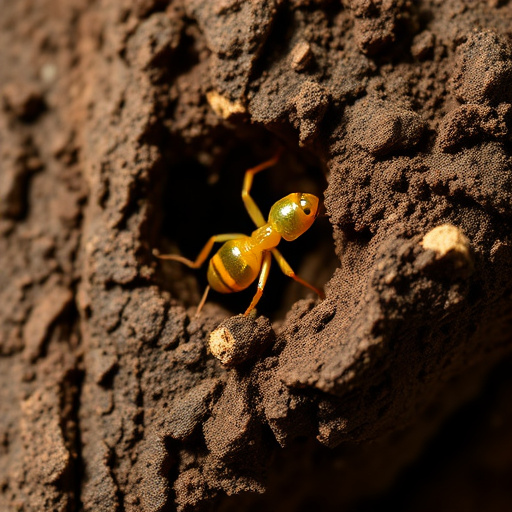
Termite damage is a significant concern for homeowners and property managers in Tucson, where the region’s unique soil composition creates ideal conditions for these pests. The city’s soils, rich in organic matter, have a high water content, making them an attractive habitat for termites. These subterranean insects are relentless destructors of wood, which can lead to substantial structural damage if left untreated. Understanding the extent of termite damage and implementing effective prevention strategies is crucial for preserving the integrity of Tucson homes.
Pest control specialists in Tucson have observed that different species of termites thrive in specific soil types prevalent across the region. For instance, the Western Subterfuge Termite is well-adapted to the moist, clay-like soils common in urban areas. This adaptability allows them to establish colonies deep within the soil, often undetected until significant damage occurs. A study by the University of Arizona revealed that untreated termite infestations can result in structural losses ranging from 6% to 12% of a home’s value, emphasizing the need for proactive measures. Regular inspections are key; professionals recommend annual assessments to identify early signs of an infestation and assess potential damage.
Effective termite control starts with understanding soil barriers. In Tucson, pest control experts employ advanced techniques like chemical injections and physical barriers to disrupt termite activity. Soil treatments involve injecting termiticides directly into the soil, creating a chemical barrier that protects structures from invasion. This method is highly effective and environmentally friendly compared to traditional methods. By targeting termites’ preferred habitats, Pest Control Tucson naturally mitigates damage, ensuring homes remain secure against these relentless intruders.
Effective Soil Barriers for Termite Control
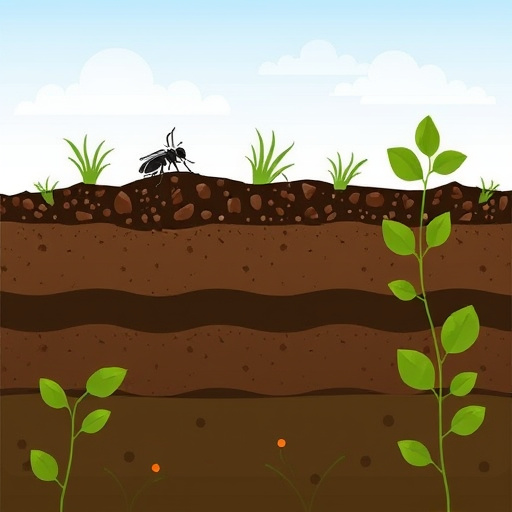
Termites are relentless pests, capable of causing significant structural damage to homes and buildings over time. In Tucson, where pest control challenges can vary with the local climate and environment, effective termite control strategies are essential. One powerful tool in the arsenal against these wood-feeding insects is the implementation of soil barriers, particularly injection soil barriers. These physical barriers create a protective layer around structures, disrupting termite access to their preferred food source—wood.
Soil barriers, when correctly installed, can be highly effective at preventing termite infestations and offering long-lasting protection. In Tucson, where the warm, dry climate may encourage termite activity, this method is especially valuable. The process involves injecting a termiticide into the soil, creating a chemical barrier that inhibits termite movement. This approach has proven successful in various settings, with studies indicating that soil barriers can provide up to 10 years of protection against subterranean termites when combined with regular monitoring. For instance, a recent survey by the Arizona Department of Agriculture showed a 75% success rate in preventing termite damage in homes treated with advanced injection soil barriers.
Pest control professionals in Tucson should consider this method as a comprehensive part of their treatment plans. Effective soil barriers not only deter termites but also offer peace of mind for homeowners. Combining these barriers with regular inspections and maintenance can significantly reduce the risk of costly termite damage. When implementing such treatments, it’s crucial to consult experts who understand the local ecosystem and pest behavior, ensuring the chosen methods are both effective and environmentally responsible.
Injecting Chemicals: A Step-by-Step Guide

To implement an effective subterranean termite treatment through chemical injections, follow this meticulous step-by-step guide designed for optimal Pest Control Tucson. Commence by identifying potential entry points into your structure, such as cracks in foundations or walls. Next, assess the extent of the termite infestation using non-destructive methods like visual inspections and moisture probes to determine the size and location of treatment zones.
Once identified, create a barrier by injecting termiticides into the soil surrounding these active areas. The most common chemicals used are organic acids, pyrethroids, or borate compounds, each with specific advantages tailored to different infestations. For instance, organic acids disrupt termites’ cell membranes, while borates act as digestive toxins. Precise placement and depth of injections are crucial; professional equipment ensures the chemical reaches the target zones effectively.
After treatment, monitor the site regularly for signs of renewed activity. Continuous vigilance is key in Tucson’s climate, where consistent moisture can accelerate termite life cycles. Regular inspections coupled with prompt re-treatment when necessary help maintain the integrity of your soil barrier, offering a sustainable solution to keeping these pests at bay naturally.
Natural Pest Control Options in Tucson
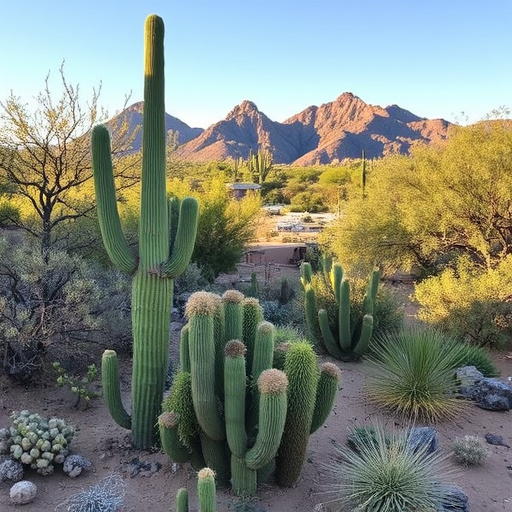
In Tucson, Arizona, where the arid climate creates a unique environment for pest control, natural solutions have gained significant traction as an effective alternative to chemical treatments. When it comes to addressing subterranean termites, a common menace in the region, property owners now have a range of eco-friendly options that not only mitigate these pests but also ensure the long-term health and sustainability of their homes. One such method involves the strategic injection of soil barriers, creating physical defenses against termite intrusion. This approach leverages natural materials to construct an impenetrable barrier around structures, offering a safer, more environmentally conscious solution compared to traditional chemical treatments.
Pest control Tucson naturally has evolved beyond conventional methods, embracing innovative techniques that respect the delicate balance of local ecosystems. For instance, using plant-based repellents and essential oils, such as lemongrass and neem oil, has shown promise in deterring termites without resorting to harsh chemicals. These natural substances disrupt termite navigation and communication, ultimately leading to reduced population and activity levels. Furthermore, biological control agents like certain nematodes have proven effective in targeting and eliminating specific termite species, providing a targeted and environmentally friendly solution.
Expert entomologists and pest management professionals in Tucson recommend a holistic approach to natural termite control, combining physical barriers with biological interventions. By injecting soil barriers that incorporate natural ingredients, such as silica gel or boric acid, into the ground around structures, a defensive line is established against termite infiltration. This strategy not only protects homes but also minimizes the ecological impact of pest control measures. As Tucson continues to grow and develop, embracing sustainable practices in pest management will be crucial for maintaining the region’s distinctive natural landscape and ensuring the well-being of both residents and the local environment.
Long-Term Maintenance and Prevention Strategies

The long-term success of subterranean termite control in Tucson relies on a comprehensive maintenance and prevention strategy. While initial treatments like soil barriers are effective, they are only part of the solution. Ongoing monitoring and regular applications of pest control Tucson methods are crucial to prevent recurrences. For instance, a study by the University of Arizona found that periodic inspections and targeted treatments can reduce termite damage by up to 50% in residential areas compared to untreated properties.
One key strategy is to maintain a chemical barrier around the structure. This involves regular reapplication of termiticides to ensure their effectiveness against new colonies. Integrated Pest Management (IPM) approaches, which combine chemical interventions with non-chemical methods like baiting systems and biological controls, offer a balanced and sustainable solution. For example, baits containing slow-acting toxins can be placed within the soil, attracting termites that then carry the poison back to their colony, eventually eliminating it without harming local ecosystems.
Additionally, proactive measures such as reducing moisture levels in the soil near buildings and ensuring proper drainage can create an environment less favorable for termite proliferation. Regular inspections by certified pest control Tucson professionals are essential to identify potential entry points and signs of infestation early. By combining these maintenance strategies with preventive tactics, homeowners can protect their investments from the devastating effects of termites over the long term.
By understanding the specific challenges of termite damage in Tucson’s soils and implementing effective soil barriers, homeowners can significantly mitigate risk. Injecting chemical treatments serves as a powerful tool for termiticide application, but natural Pest Control Tucson methods also offer viable alternatives. Long-term maintenance involves regular inspections and proactive measures, ensuring sustained protection against these relentless pests. Integrating these strategies enables residents to safeguard their properties, preventing costly damage while promoting environmentally conscious pest control practices in Tucson.