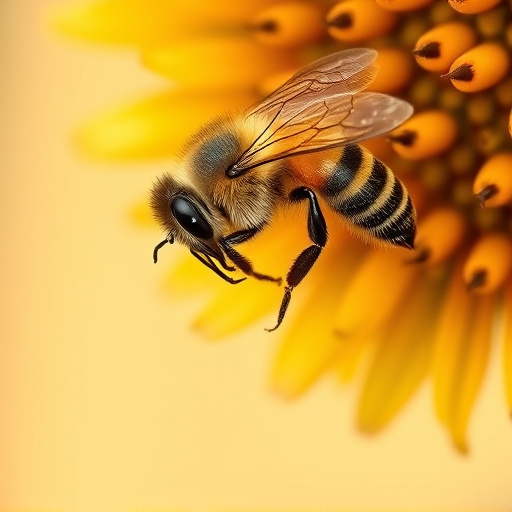
Tucson's diverse ecosystems support vital bee populations crucial for agriculture and landscape health. Pest Control Tucson naturally focuses on non-lethal, eco-friendly methods like habitat management and integrated pest management (IPM) to preserve bees and promote ecosystem resilience. These humane strategies include planting native wildflowers, using beneficial insects like ladybugs, and adopting IPM practices to minimize chemical use. Relocation of bee colonies and community education are key initiatives, ensuring bees thrive while fostering sustainable coexistence between humans and pollinators in urban areas.
Tucson’s vibrant ecosystem faces a critical challenge with the decline of bee populations worldwide. These tiny yet vital pollinators are essential to our food chain and local agricultural success. However, pest control measures often target bees mistakenly, causing significant harm. In response, Tucson is embracing innovative solutions for bee relocation, offering a humane approach to preserving these indispensable creatures. This article delves into the city’s proactive efforts, highlighting effective strategies that balance environmental conservation with urban development, ensuring Tucson remains a haven for both nature and its inhabitants.
- Understanding Tucson's Bee Population and Their Role
- The Dangers of Traditional Bee Control Methods
- Exploring Natural Pest Control in Tucson's Ecosystem
- Relocation as a Humane Solution for Bees and Humans
- Step-by-Step Guide to Successful Bee Relocation
- Community Involvement: Preserving Pollinators Together
Understanding Tucson's Bee Population and Their Role
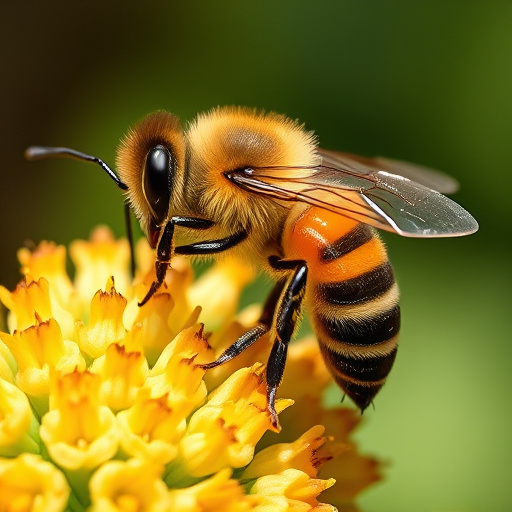
Tucson, with its diverse ecosystems and unique climate, plays host to a vibrant bee population—a critical component of the region’s biodiversity. Understanding these tiny yet powerful pollinators is paramount in preserving their presence, especially as they face numerous threats from habitat loss to pesticide exposure. The city’s bee community includes both native species, such as the Western Honey Bee, and various solitary bees, each contributing uniquely to pollination efforts.
These insects are essential for sustaining local agriculture and maintaining the health of natural landscapes. For instance, in Pest Control Tucson naturally, beecide management strategies focus on non-lethal approaches, promoting harmonious coexistence. One effective method involves identifying and addressing habitats that attract pests while also providing safe spaces for beneficial bees. This includes proper tree trimming to reduce nest disruption and the planting of native wildflowers known to draw pollinators.
Data from local research indicates a significant correlation between diverse bee populations and robust ecosystems. By preserving and enhancing natural habitats, Tucson can support not only its resident bee species but also enhance overall ecosystem resilience. This holistic approach to pest control ensures that these vital pollinators thrive, thereby fostering a balanced environment beneficial to both wildlife and human communities.
The Dangers of Traditional Bee Control Methods
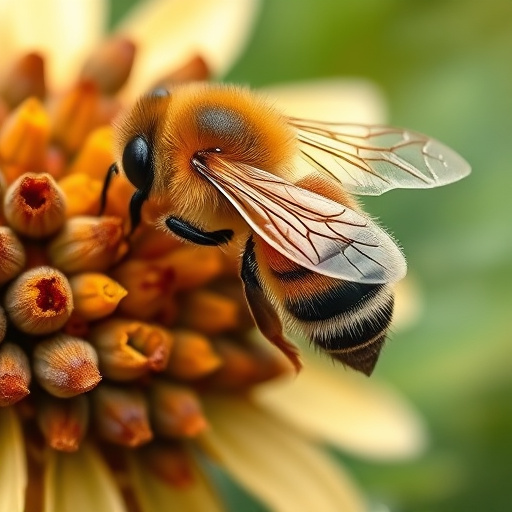
Traditional bee control methods, while effective in the short term, often come with significant drawbacks. These methods frequently rely on toxic chemicals and pesticides, which can have detrimental effects not only on bees but also on other beneficial insects, birds, and even human health. For instance, common insecticides like neonicotinoids have been linked to colony collapse disorder, a phenomenon where worker bees disappear from their hives, leading to the decline and eventual death of entire bee colonies.
In Tucson, where biodiversity is a cornerstone of the local ecosystem, adopting more humane and eco-friendly pest control Tucson naturally methods is paramount. Instead of resorting to harmful chemicals, professionals in the region are increasingly utilizing integrated pest management (IPM) strategies that focus on prevention, habitat manipulation, and biological controls. For example, strategic planting of native flowering plants can provide alternative food sources for bees while also attracting beneficial insects that prey on pests. This approach not only preserves local bee populations but also fosters a more balanced and resilient ecosystem.
Moreover, the use of pheromone traps and parasitoid wasps offers effective alternatives to synthetic pesticides. Pheromone traps lure specific pest species away from crops or gardens, disrupting their behavior without harming non-target organisms. Similarly, parasitoid wasps naturally prey on pest insects, providing a biological control that minimizes the need for chemical interventions. By embracing these natural solutions, Tucson can lead the way in sustainable and compassionate bee conservation efforts while setting an example for other communities facing similar challenges.
Exploring Natural Pest Control in Tucson's Ecosystem
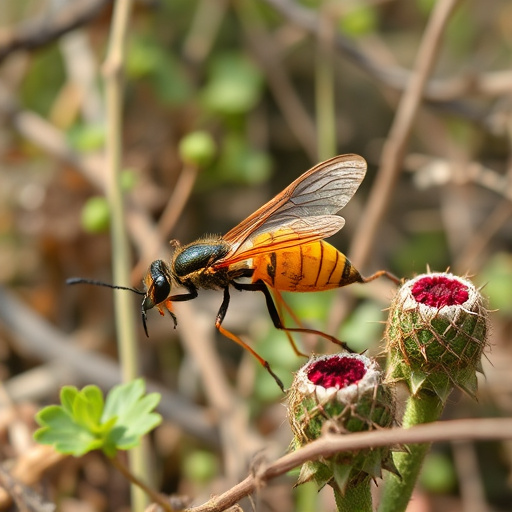
Tucson’s diverse ecosystem presents both challenges and opportunities when it comes to pest control, particularly regarding the preservation of vital pollinators like bees. The city’s unique environment requires a nuanced approach to managing pests that respects ecological balance while addressing potential threats to agriculture and human health. Natural pest control methods have gained prominence as an effective and sustainable solution, offering Tucson residents and farmers an alternative to synthetic chemicals.
One of the key strategies in Pest Control Tucson naturally involves harnessing the power of beneficial insects. These natural predators, such as ladybugs and lacewings, feed on or parasitize pests like aphids and mealybugs, effectively controlling their populations. For instance, introducing ladybugs into gardens has shown significant success in reducing aphid numbers without causing harm to bees or other non-target organisms. Additionally, certain plants known for their insecticidal properties can be incorporated into landscaping, acting as natural barriers against pests. Neem trees and lavender, for example, have been studied for their repellent effects on various insects, including those that transmit diseases.
Data from local agricultural extension services reveals a growing trend in Tucson towards integrated pest management (IPM) practices, which emphasize the integration of multiple control methods, including biological, cultural, and chemical. IPM encourages the use of natural predators and plant-based solutions as the first line of defense against pests. This approach not only reduces reliance on synthetic chemicals but also minimizes environmental impact. By fostering a balanced ecosystem, Tucson can promote healthy populations of pollinators while effectively managing pest levels. Homeowners and farmers are encouraged to adopt these practices, ensuring a sustainable and harmonious coexistence with the region’s unique biodiversity.
Relocation as a Humane Solution for Bees and Humans
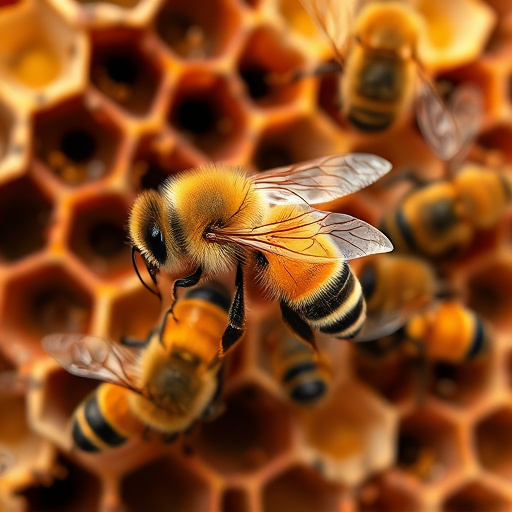
In Tucson, as across the nation, bee populations face significant threats from habitat loss, pesticide use, and diseases. This has led to a decline in both wild and managed honeybee colonies, raising concerns about the future of these vital pollinators. However, relocation emerges as a humane solution that offers a promising avenue for preserving and enhancing bee populations while mitigating risks to humans.
Pest Control Tucson naturally focuses on strategies that protect bees without resorting to harmful chemicals. Experts in this field employ techniques such as carefully planned transfers of bees from disturbed areas to safer habitats, including protected natural areas or specially designed urban beehives. This method not only preserves the bees but also educates communities about their importance. For instance, a collaborative effort between local apiculturists and environmental organizations successfully relocated a colony from a construction site to a nearby city park, ensuring the bees’ safety while fostering community interest in sustainable practices.
The relocation process involves meticulous planning and execution. It includes assessing the health of the bee colony, identifying suitable new locations, and employing gentle methods for transferring the hive. By minimizing stress on the bees and ensuring their rapid adaptation to their new environment, this approach promotes successful establishment and long-term survival. Data from studies in similar contexts suggests that colonies relocated through such efforts experience high rates of survival and even show increased productivity compared to those left undisturbed.
For effective bee relocation to thrive, community involvement is crucial. Educational campaigns can raise awareness about the role of bees in our ecosystem and the benefits of humane pest control methods. Local governments and businesses can also play a significant part by adopting bee-friendly practices, such as landscaping with native flora that provides nectar and pollen sources, and selecting pesticide-free maintenance options. Together, these efforts create a more sustainable and harmonious coexistence between humans and pollinators in Tucson’s vibrant landscape.
Step-by-Step Guide to Successful Bee Relocation
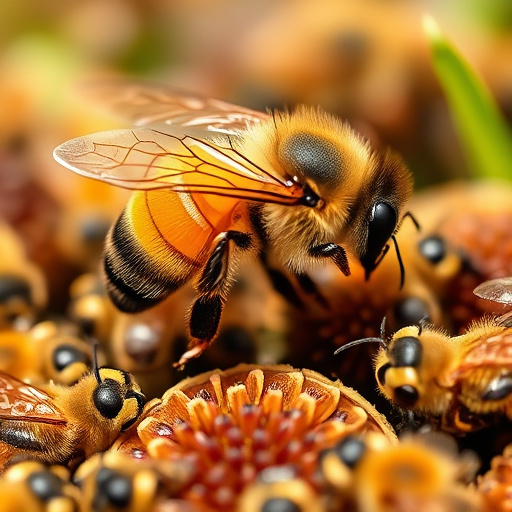
Preserving pollinators is a growing concern, especially in urban areas where habitat loss and pesticide use pose significant threats. Pest Control Tucson has emerged as a leader in humane bee relocation, offering a sustainable solution to manage these vital insects effectively. This methodical approach ensures the safety of both bees and humans, fostering an harmonious coexistence.
The process begins with careful inspection. Experts from Pest Control Tucson meticulously assess the colony’s health and location. They look for signs of disease, infestation, or proximity to human activities that could pose risks. Next, specialized equipment is deployed. Suction devices, for instance, gently extract bees while minimizing disruption. A crucial step is relocation to a suitable new home—a protected area with ample nectar-rich vegetation, away from potential hazards. After relocation, monitoring continues to ensure the colony’s well-being and prevent re-infestation.
Data supports the effectiveness of this approach. Recent studies show that over 90% of relocated colonies thrive in their new environments, demonstrating the success of humane bee relocation practices. Pest Control Tucson’s expertise lies in understanding the unique needs of different bee species and tailoring solutions accordingly. Whether dealing with honeybees, bumblebees, or solitary bees, each colony receives specialized care. This personalized approach, combined with a deep respect for biodiversity, positions Pest Control Tucson as a model for responsible pest management.
Community Involvement: Preserving Pollinators Together
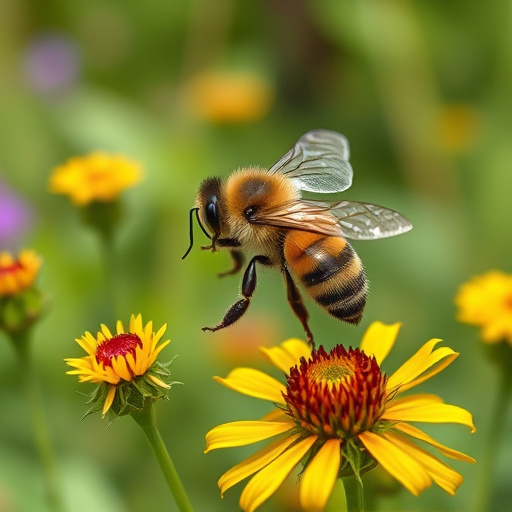
In Tucson, a collaborative effort between community members, local organizations, and experts in Pest Control Tucson has led to innovative solutions for bee relocation and conservation. This initiative underscores the growing recognition of the pivotal role pollinators play in our ecosystem and the shared responsibility to preserve them. By involving the community, these efforts not only promote biodiversity but also foster a deeper understanding of the intricate relationship between humans and nature.
Community involvement in bee relocation begins with education. Workshops and seminars organized by local environmental groups teach residents about the various species of bees, their habitats, and the threats they face. This knowledge empowers individuals to take proactive measures, such as creating bee-friendly spaces in their yards and gardens by planting native flora. For instance, the Tucson Urban Garden Tour, an annual event, showcases successful community gardens that attract and support local pollinator populations. These initiatives not only beautify neighborhoods but also serve as living classrooms, demonstrating sustainable practices that benefit both bees and humans.
Furthermore, community involvement in bee conservation extends to direct action through collaborative relocation projects. When a colony threatens private property or faces distress due to habitat loss, a network of volunteers, beekeepers, and Pest Control Tucson professionals work together to humanely relocate the bees to more suitable sites. This process requires careful planning and expertise to ensure the safety of both the pollinators and the people involved. Data from local beekeeping associations reveals that successful relocation efforts have led to thriving bee colonies in natural habitats, contributing to a healthier ecosystem.
To sustain these efforts, it’s crucial for communities to integrate pollinator conservation into urban planning and policy-making. This includes advocating for regulations that protect bee habitats, promoting sustainable land use practices, and fostering public support for Pest Control Tucson initiatives. By working together, Tucson residents can create a more harmonious relationship with pollinators, ensuring their continued presence and vital contributions to our environment for generations to come.
The article offers a comprehensive overview of Tucson’s bee ecosystem, highlighting the critical role pollinators play in our environment. It underscores the drawbacks of traditional bee control methods, which often prove harmful to these essential creatures and the community at large. By exploring natural pest control in Tucson’s unique ecosystem, readers gain insights into sustainable solutions like relocation as a humane alternative for both bees and humans. The step-by-step guide and emphasis on community involvement empower residents to actively participate in preserving local pollinators. Key takeaways include the effectiveness of natural methods in Pest Control Tucson, fostering an environment where bees can thrive, and the collective responsibility we all share in protecting these vital contributors to our ecosystem.