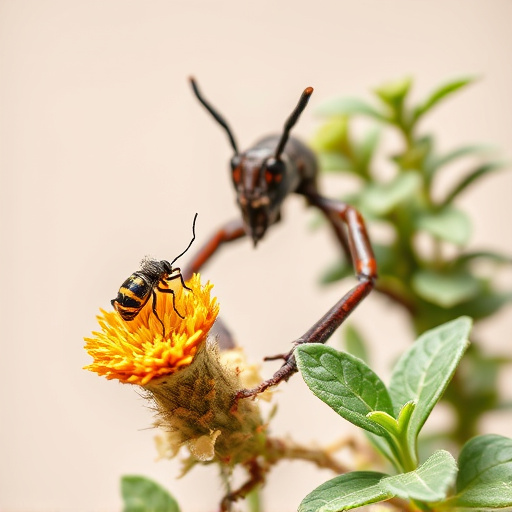
Tucson's monsoon season heightens pest activity due to its unique ecological conditions.
Pest Control Tucson naturally experts recommend proactive measures, focusing on habitat manipulation (removing water sources, limiting food and shelter), prevention (sealing entry points, maintaining cleanliness), and rapid response.
Natural strategies like promoting native plant ecosystems, using physical barriers, and essential oils repel pests. Beneficial insects offer sustainable control. Regular inspections are crucial for early detection.
For severe cases, targeted use of natural pesticides and a multi-faceted approach, including sealing entry points and proper ventilation, ensure effective Pest Control Tucson naturally while minimizing environmental impact.
The monsoon season in Tucson brings not only much-needed rain but also an increase in pest activity. As the warm, moist conditions foster breeding grounds for insects like scorpions, ants, and mosquitoes, effective pest control becomes a top priority for homeowners and businesses alike. Traditional methods often rely on harsh chemicals that can be detrimental to both health and the environment. However, Tucson has innovative solutions centered around natural pest control strategies. This article explores how comprehensive prevention plans tailored for the local climate and ecosystem can significantly reduce pest invasions, ensuring a safer and healthier environment for all.
- Understanding Tucson's Monsoon Season and Pests
- Natural Pest Control Solutions for Your Yard
- Implementing Effective Tucson Pest Prevention Plans
- Monitoring and Responding to Monsoon Invasions
Understanding Tucson's Monsoon Season and Pests

Tucson’s monsoon season, typically from late summer to early fall, brings much-needed rainfall but also attracts a plethora of pests. Understanding this seasonal shift is crucial for implementing effective pest control in Tucson naturally. The region’s unique ecological conditions create a fertile ground for various insects and arachnids, many of which thrive during the monsoon period. For instance, the heavy rains and increased moisture levels foster the proliferation of cockroaches, termites, and spiders—common pests that can infiltrate homes and businesses.
According to local pest control experts in Tucson naturally, the monsoon season is characterized by heightened pest activity. This period witnesses a surge in ant populations, as they are drawn to the water sources created by the rains. Additionally, mosquitos become more prevalent, posing health risks due to their ability to transmit diseases like West Nile virus. As such, proactive measures are essential to prevent these pests from becoming persistent and costly problems. Implementing natural pest control strategies can help residents minimize the need for chemical interventions while maintaining a healthy environment.
One effective approach is to focus on prevention through habitat manipulation. By removing potential water sources and limiting access to food and shelter, homeowners can deter pests naturally. For example, fixing leaky faucets and ensuring proper drainage around the property reduces standing water, making it less attractive to mosquitos. Similarly, sealing entry points and maintaining a clean, clutter-free environment can prevent cockroaches from finding hiding places. Regular inspections and rapid response to any pest activity are also key strategies recommended by Tucson naturally pest control professionals.
Natural Pest Control Solutions for Your Yard
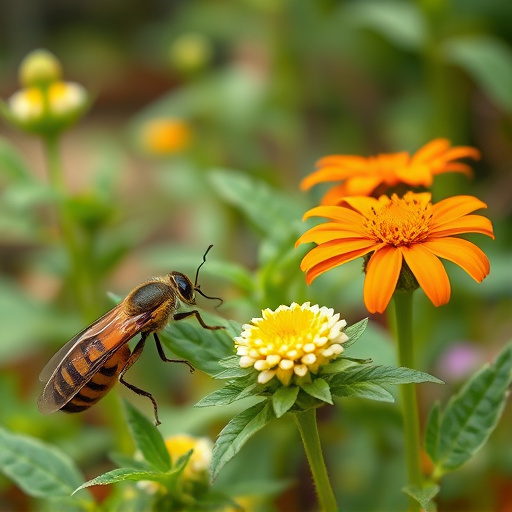
The monsoon season in Tucson brings not only lush landscapes but also an influx of pests, posing a significant challenge for residents. Effective pest control goes beyond chemical treatments, especially when considering the ecological impact and health risks associated with synthetic pesticides. Natural pest control solutions offer a sustainable and safer alternative, forming the cornerstone of comprehensive Pest Control Tucson strategies. This approach leverages the power of nature’s defenses to mitigate pest populations without harming beneficial insects or contaminating the environment.
One of the most effective natural strategies involves cultivating a diverse yard ecosystem. Planting native species that attract predators like ladybugs, lacewings, and spiders can significantly reduce insect pests. For instance, marigolds, known for their natural repellency against aphids and nematodes, can be incorporated into garden beds. Additionally, creating habitats like birdhouses and bat boxes encourages these natural predators to reside in your yard, providing ongoing pest control. Data from local studies show that yards with native plant diversity support a richer predatory insect population, leading to lower overall pest levels.
Beyond biological control, physical and cultural practices play vital roles in Tucson’s monsoon pest prevention. Regularly cleaning up fallen leaves and debris eliminates potential hiding spots for pests and their eggs. Implementing physical barriers like fine mesh screens on windows and doors prevents insects from entering homes. Cultural practices such as proper watering techniques can also deter pests. For example, reducing water availability during the hottest parts of the day discourages ant and cockroach infestations. By combining these natural pest control solutions, Tucson residents can create a robust defense against monsoon-related pests while promoting a healthier, more balanced ecosystem in their yards.
Implementing Effective Tucson Pest Prevention Plans

Tucson’s monsoon season presents unique challenges for pest control, with increased populations of ants, scorpions, and other pests seeking shelter from the intense heat. Implementing effective Tucson pest prevention plans is crucial not only to mitigate these invasions but also to ensure a safer and healthier environment for residents. A proactive approach involves understanding the behavior of these pests and employing natural, eco-friendly strategies that are both efficient and sustainable.
One of the first steps in any Tucson pest control plan should be to eliminate sources of water and food that attract pests. Regularly checking and fixing leaks, maintaining proper drainage, and storing food securely can significantly reduce pest activity. For example, ants are drawn to sweet substances, so keeping kitchens clean and sealing cracks where they might enter can deter these persistent intruders. Similarly, scorpions thrive in dark, secluded areas, so the use of strategic lighting and regular yard maintenance can make these habitats less appealing.
Natural Pest Control Tucson methods offer a safe and effective alternative to traditional chemical treatments. Essential oils like peppermint, lemon, and neem have been shown to repel various pests due to their strong scents. Using these oils in sprays or diffusers can create a natural barrier around homes and gardens. Another innovative approach is the introduction of beneficial insects, such as lacewings and predacious mites, which feed on harmful pests, providing a sustainable solution that promotes ecological balance. By combining these organic methods with regular inspections, residents can proactively protect their properties from monsoon-driven pest invasions.
Monitoring and Responding to Monsoon Invasions

The Tucson monsoon season, though breathtaking with its dramatic sky shows and lush landscapes, also brings about unique challenges for residents—pest invasions. These seasonal shifts create ideal conditions for various pests to proliferate, testing the mettle of even the most prepared homeowners. Effective pest control Tucson naturally relies on a robust monitoring and response strategy tailored to this dynamic environment.
Monitoring begins with understanding the pest lifecycle and behavior during monsoon. Common invaders include scorpions, cockroaches, and termites, which seek refuge from the heat in cooler, moist spaces. Regular inspections, particularly after storms, can reveal early signs of infestation. Property owners should pay close attention to dark, hidden corners, beneath decks, and around plumbing—favorite haunts for these pests. Traps and pheromone monitors, available at local hardware stores or through professional Pest Control Tucson services, offer non-toxic solutions for early detection. For instance, cockroach traps baited with gel can provide valuable data on species presence and help tailor control measures.
Responding to invasions requires a multi-faceted approach. Isolation is key; blocking entry points and maintaining proper ventilation reduces the risk of further infiltration. Professional Pest Control Tucson services often recommend sealing cracks and gaps around windows, doors, and utility pipes using caulk or weatherstripping. Regular cleaning, especially in kitchens and bathrooms, denies pests food and water sources. Additionally, keeping outdoor areas clutter-free and promptly removing fallen trees or debris after storms can significantly deter pest activity. For severe cases, targeted treatments using natural pesticides, such as boric acid or diatomaceous earth, offer effective yet environmentally conscious solutions. These methods disrupt pest behavior without causing lasting harm to ecosystems or human health.
By understanding Tucson’s monsoon season and its impact on pest invasions, residents can proactively implement effective pest control measures. Adopting natural solutions for yard management, such as eliminating standing water, maintaining proper landscaping, and utilizing beneficial insects, significantly reduces pest issues during the monsoon. Implementing robust prevention plans, including regular inspections and targeted treatments, is crucial. Continuous monitoring enables swift response to unexpected invasions, ensuring residents can maintain a comfortable and pest-free environment. Key takeaways emphasize the importance of proactive measures, natural control tactics, and adaptive strategies for successful Pest Control Tucson naturally during these dynamic weather events.